
By Serge Ferrari Group + TensiNet
Lightweight + Durable
Episode #1
Carbon Footprint: How lightness could be an advantage in the construction sector compared to other traditional material?
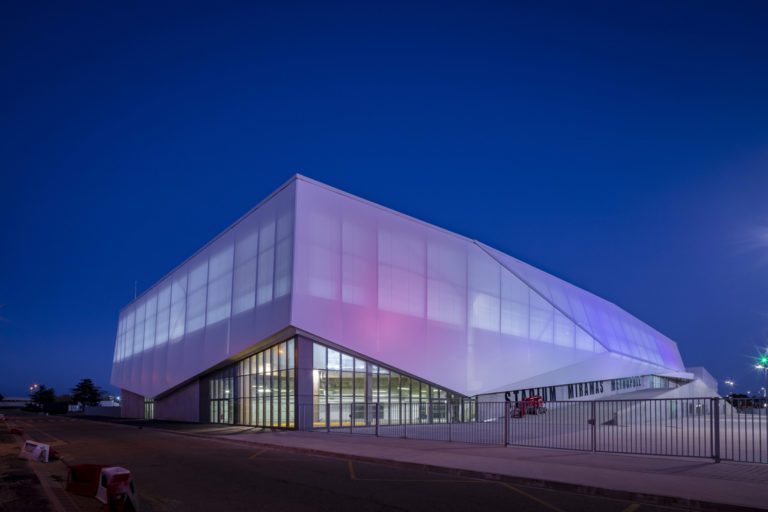
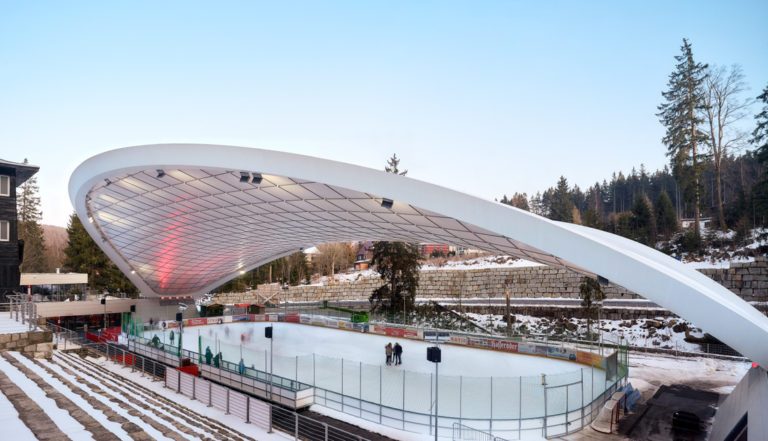
Lightweight and flexible, architectural membranes differ radically from conventional building materials in terms of their carbon footprint. Current industry research is focused on extending their lifespan, reducing their environmental impact and increasing their level of performance.The prospects for reducing its carbon footprint therefore remain wide open.
Episode #3
Sustainability and comfort: How does membrane architecture fits today’s challenges in the built environment?
Over the last few decades, comfort and sustainability have become two of the main issues in architecture. Although architectural membranes are a relatively young field compared to conventional construction methods, more and more engineers and architects are taking this option into account to meet new building requirements.
Episode #4
Tensioned membrane structures: The seventh building material for great construction
At a time when environmental issues are shaking up the construction industry, could tensile fabric become the seventh building material? Through the evolution of public regulations and economic dynamics, discover the prospects offered by the use of tensile architecture.