
Our expertise and technologies
The Serge Ferrari Group stands out through its mastery of five key technologies that structure its integrated industrial process: spinning, weaving, PET/PVC coating (including the proprietary Précontraint® technology), glass/PTFE coating, and extrusion.
This combination of proprietary know-how enables the design of flexible composite materials with high technical performance, meeting the demanding requirements of sectors as diverse as tensile architecture, solar protection, modular structures, furniture, and marine applications.
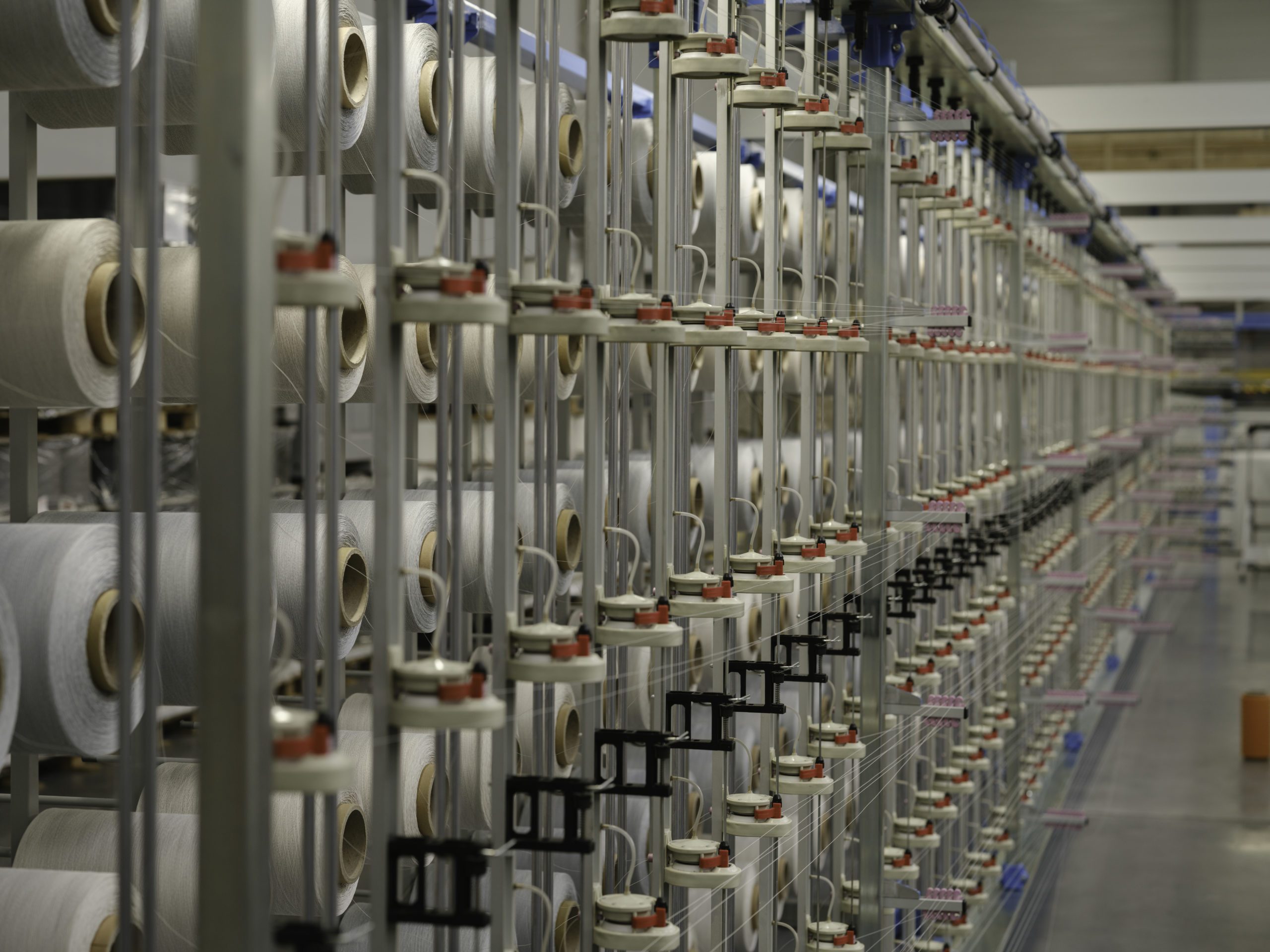
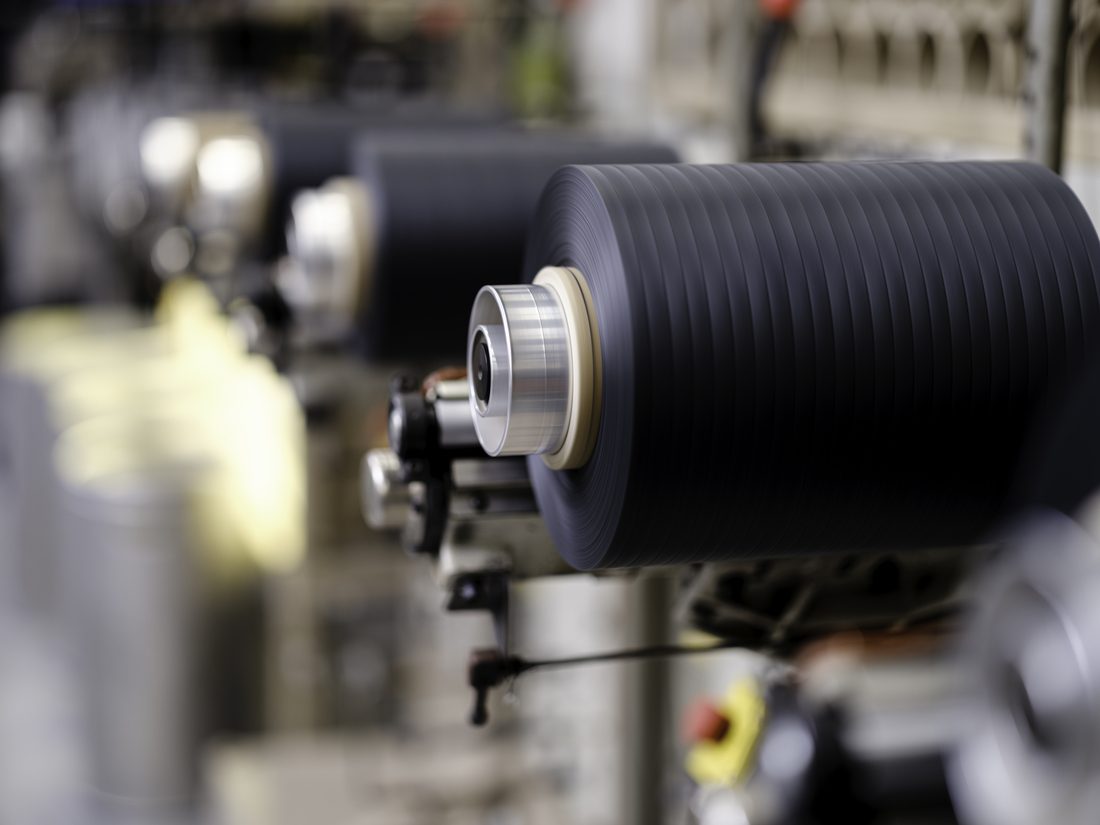
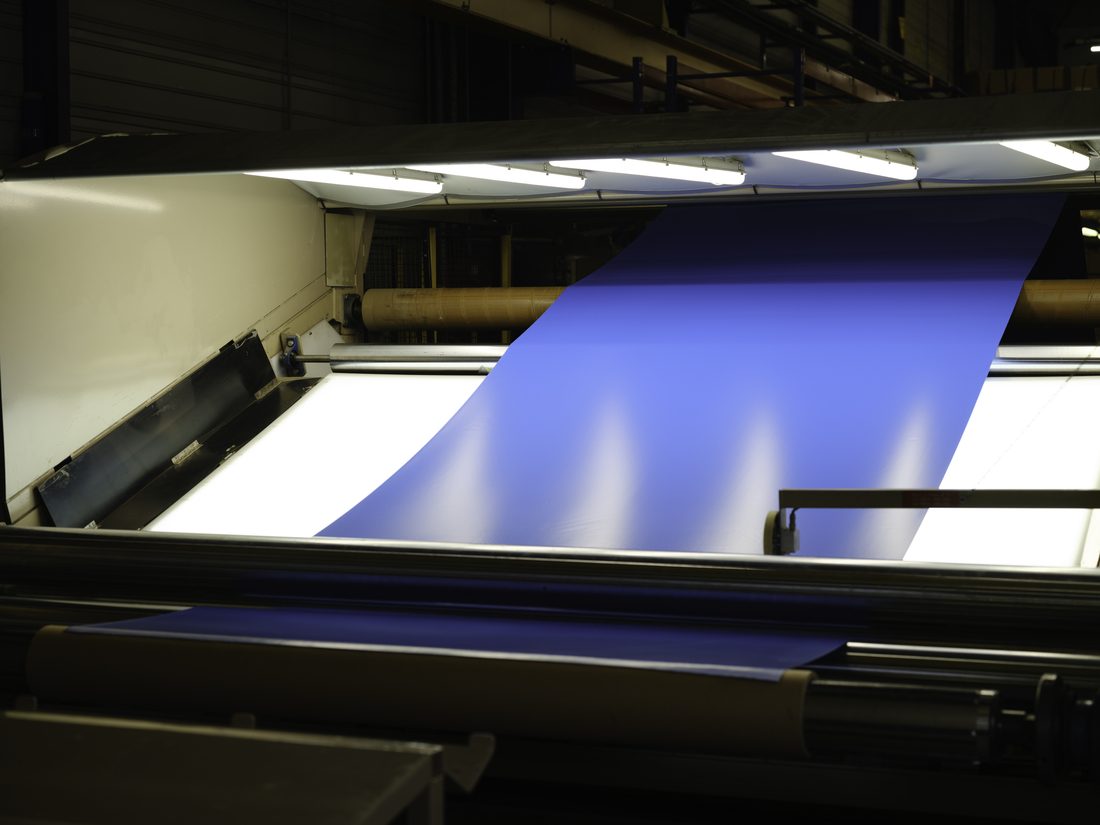
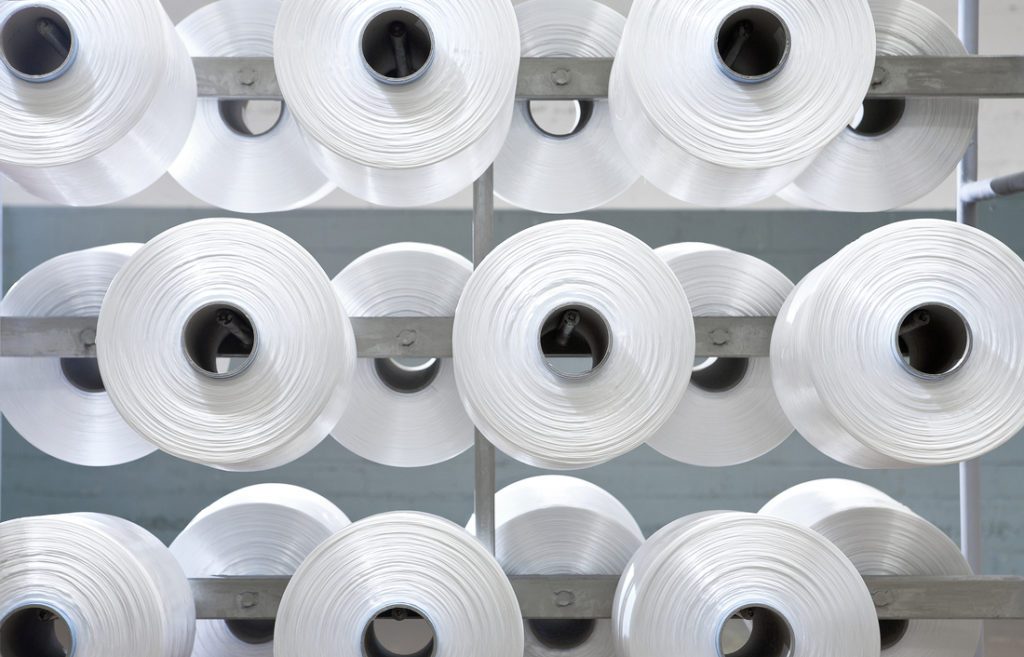
spinning
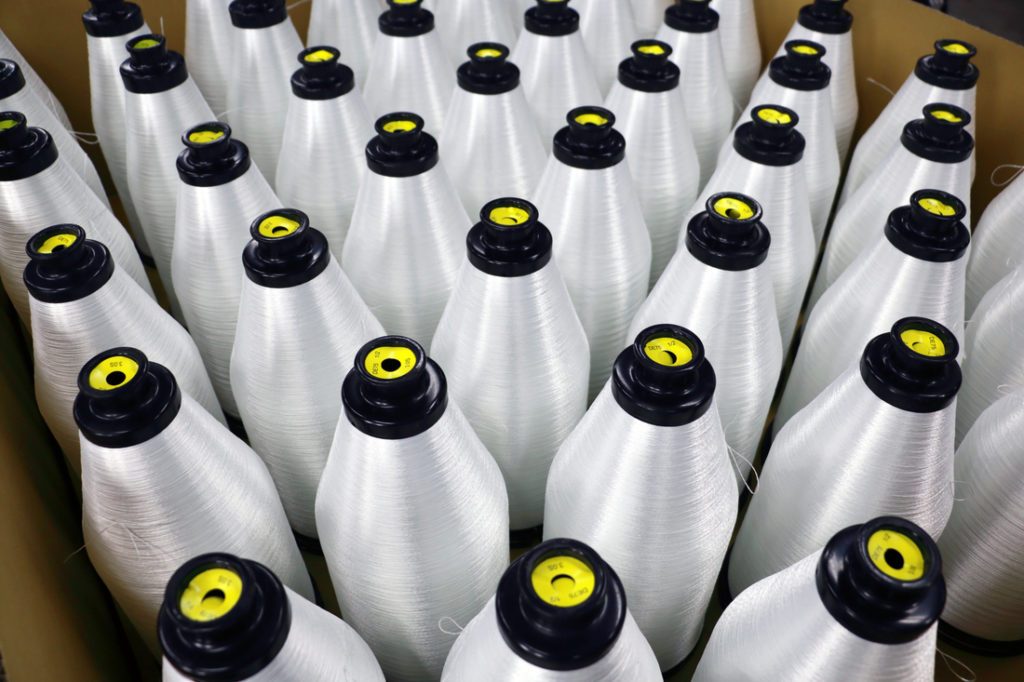
Spinning is the first stage of the process. At the Group’s Emmenbrücke site in Switzerland, ultra-resistant PET micro-cables are produced by stretching extruded bundles of PET filaments.
Composed of 192 filaments, these high-tenacity micro-cables form the basis of the Group’s composite materials. Depending on the type of membrane to be produced, their technical characteristics may vary.
The quality of this step is crucial to ensuring the durability and dimensional stability of the finished materials.
weaving
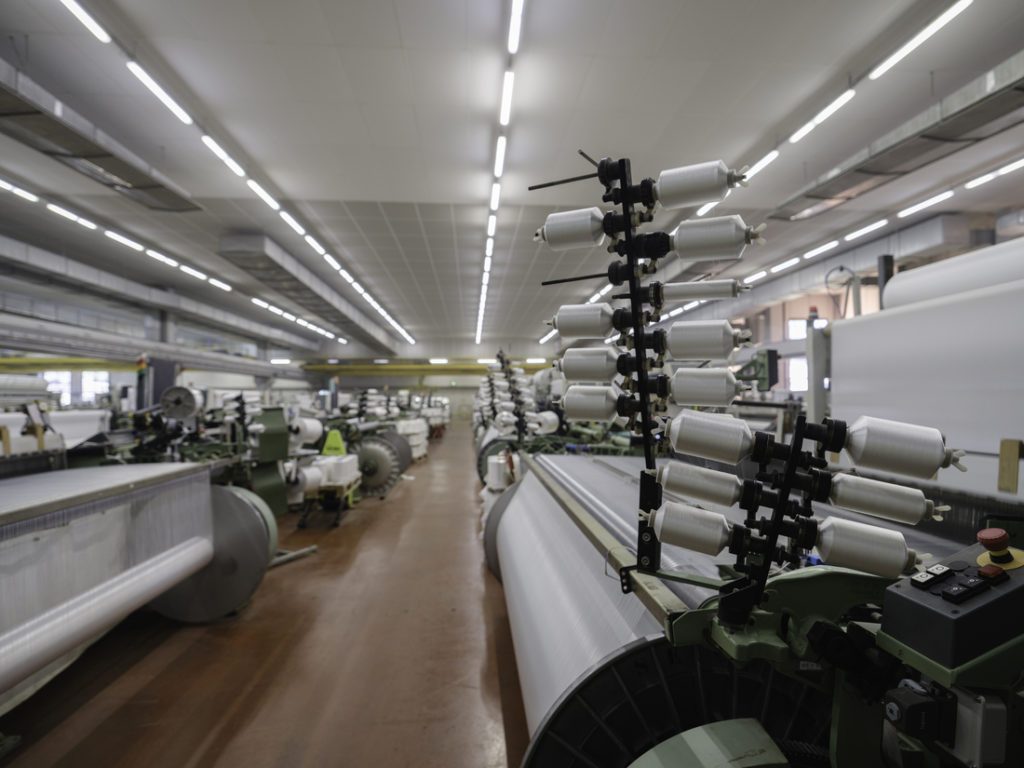
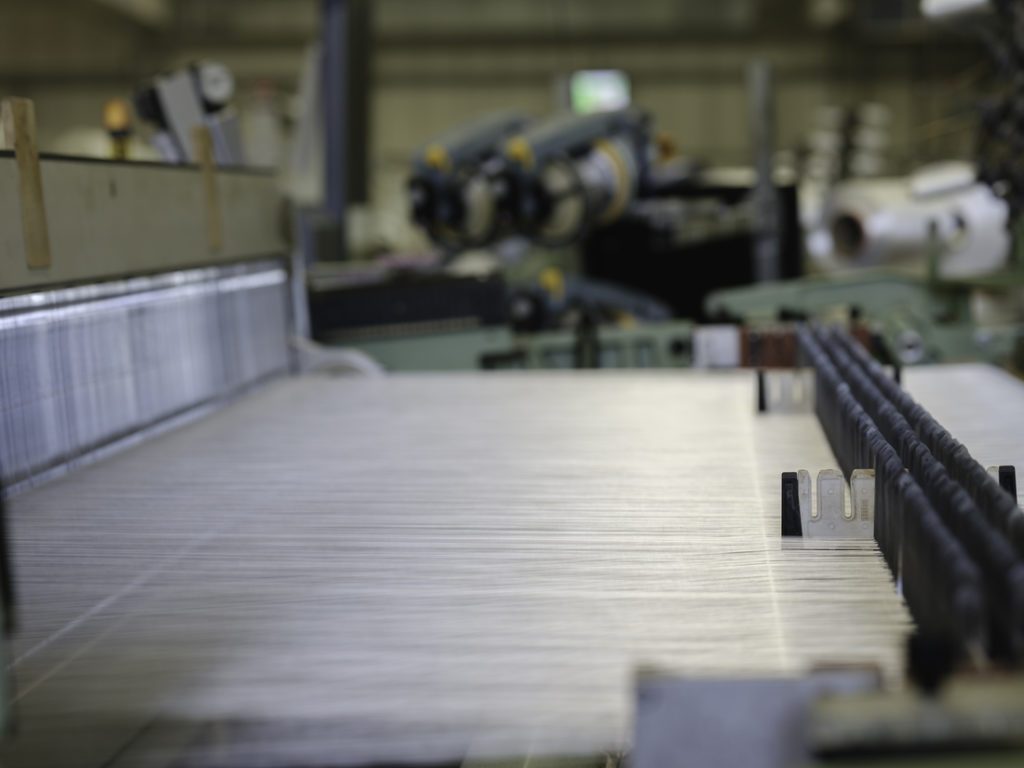
The micro-cables are then used in France and Germany in the second stage: weaving a PET micro-cable structure.
Weaving is what creates the structural framework of the Précontraint® materials.
The Group operates more than one hundred machines capable of performing all types of weaving. Depending on the desired mechanical performance, the structure and density of the micro-cable reinforcements can vary.
pet/pvc coating
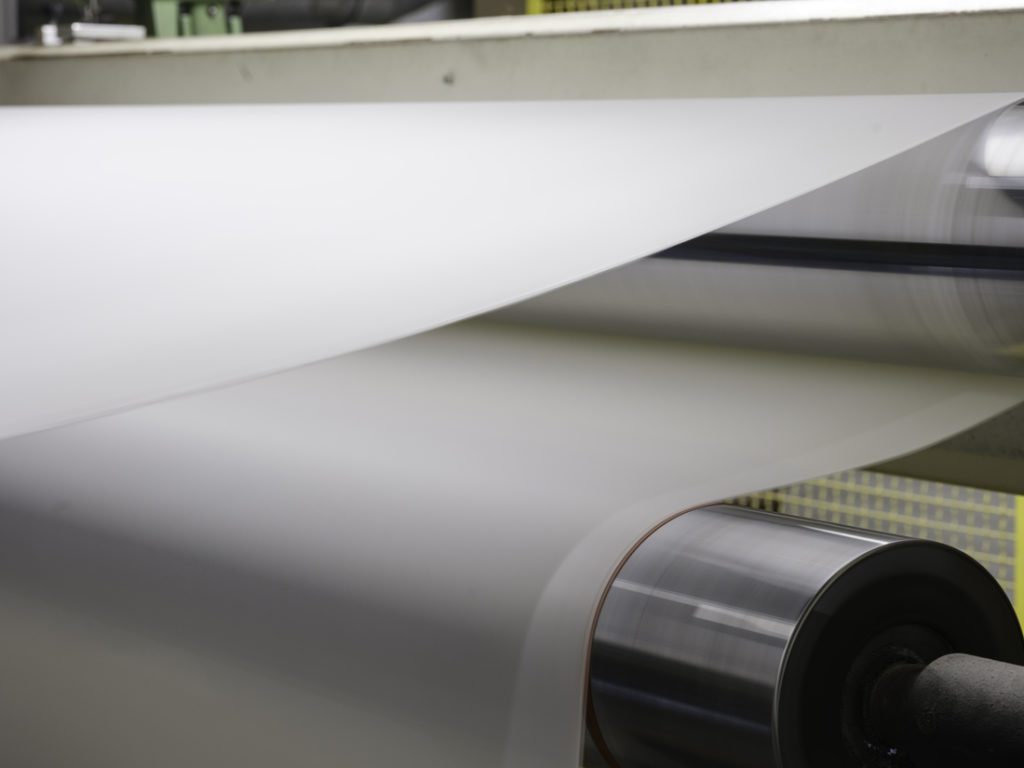
The coating of the woven reinforcement with polymers is the most important stage in the production of composite membranes. Carried out at our industrial sites in France, Switzerland, and Germany, this process involves covering the PET reinforcement with a paste composed of PVC (a thermoplastic polymer) and various additives that provide, for example, flame retardancy and UV resistance. The composition (or formulation) of this paste is regularly optimized by our R&D teams to enhance its cost-efficiency,
Focus
The Précontraint® Technology
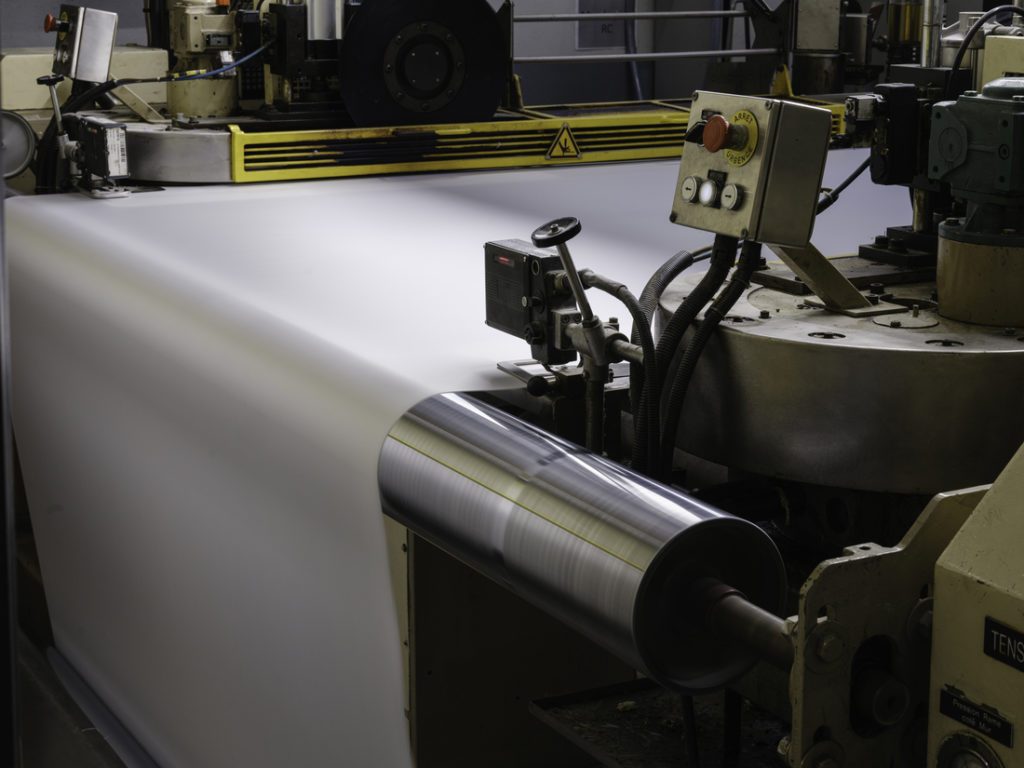
Patented in 1974, the Précontraint® technology is a proprietary process that has been and continues to be, the focus of ongoing development and improvement. The Group operates three Précontraint® production lines at its La-Tour-du-Pin site.
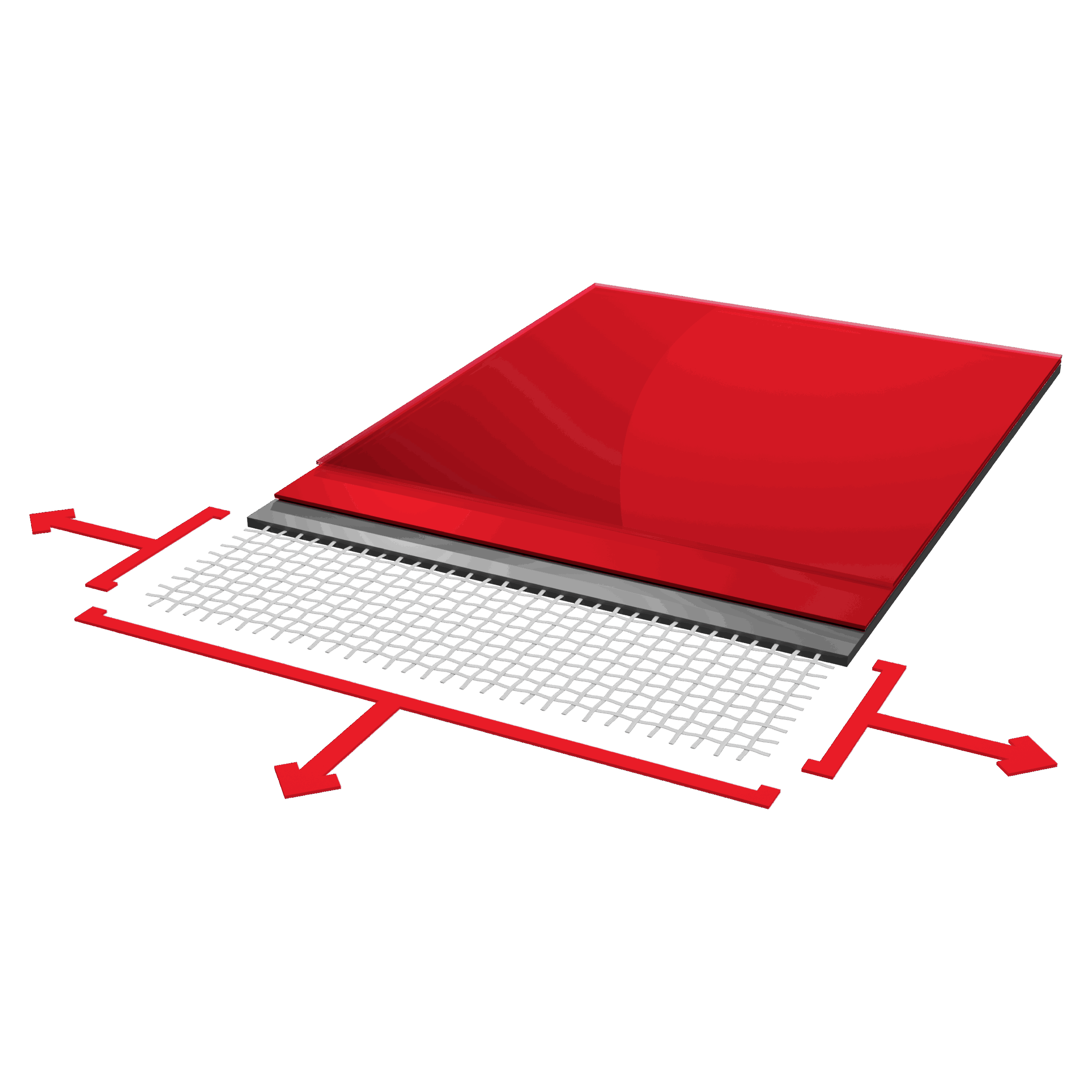
The flexible high-tenacity PET (polyethylene terephthalate) micro-cable reinforcement is held under bi-axial tension and coated with several layers of polymers. The resulting membrane is characterized by no deformation under load, eliminating the need to readjust the material’s tension once installed. The exceptional dimensional stability of these composite membranes is a key advantage across most application sectors.
Thanks to the applied tension, the substrate remains flatter, and the polymer coating layer is uniform across the entire surface. By contrast, substrates produced using conventional industrial technologies tend to have a less uniform thickness, as the micro-cables forming the reinforcement are less flattened. As a result, conventional materials deteriorate more quickly, particularly showing lower UV resistance compared to those manufactured using Précontraint® technology.
Other Coating Technologies
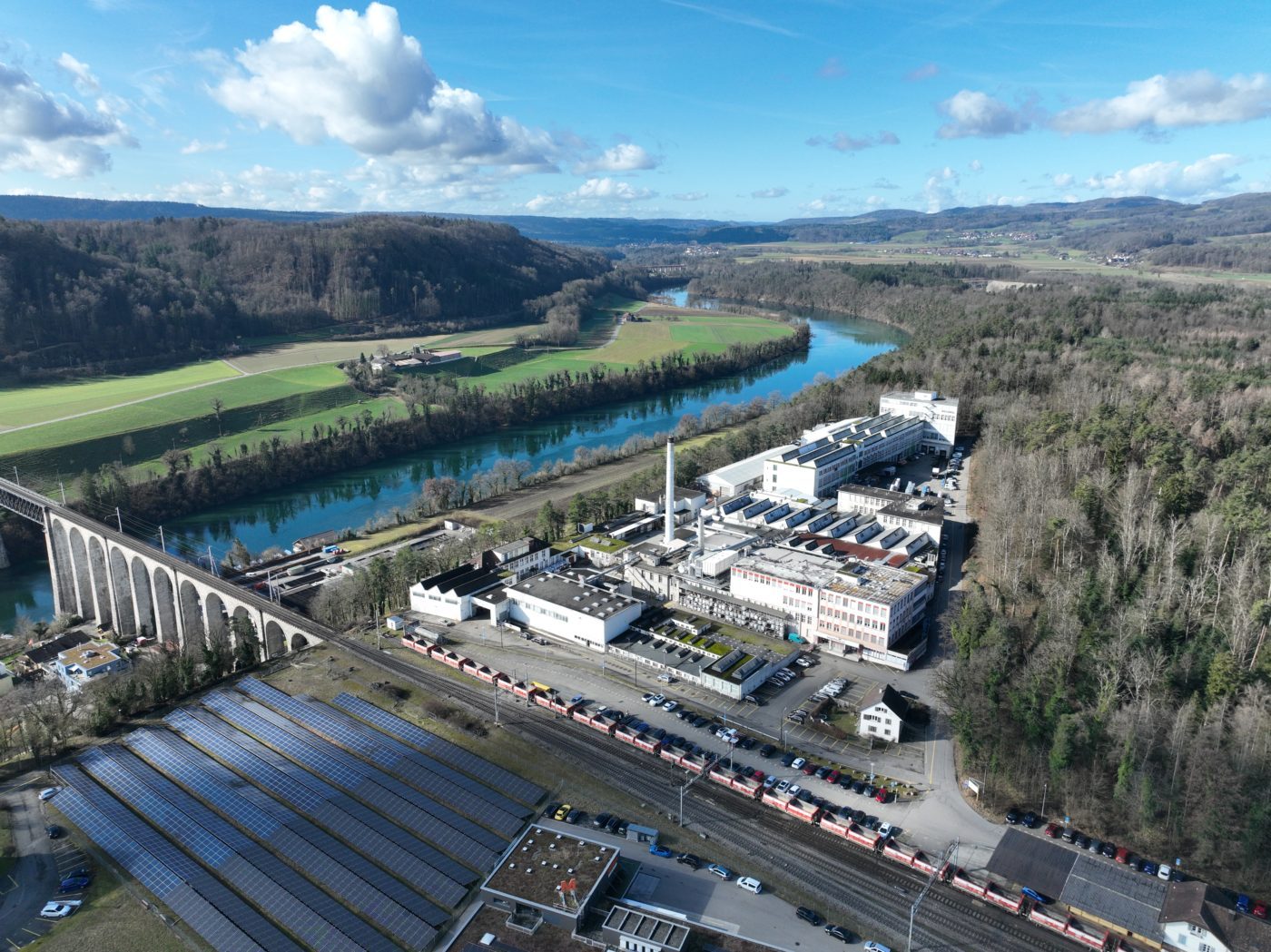
Serge Ferrari Group also integrates other coating technologies at its production sites in Krefeld (Germany) and Eglisau (Switzerland) to manufacture materials with specific properties.
Stamskin materials
This transfer coating technology ensures excellent elasticity. These materials also offer outstanding resistance to abrasion and cleaning agents, and are used for seat upholstery in hospitals, airports, restaurants, and public spaces.
Stamisol materials
This direct coating technology on non-woven substrates produces lighter materials than Précontraint®. They are waterproof yet breathable, known as breathable waterproof membranes. These are used for roof sub-layers and façade protection, particularly in heritage buildings.
Silicone “SK” materials
These materials offer high resistance to chemical agents and superior fire-retardant performance.
Glass fabrics coated with PTFE
Implemented in Krefeld (Germany) and Chiayi (Taiwan), these technologies produce materials with anti-adhesive properties, non-combustibility, dimensional stability, and very low elongation over time.
extrusion
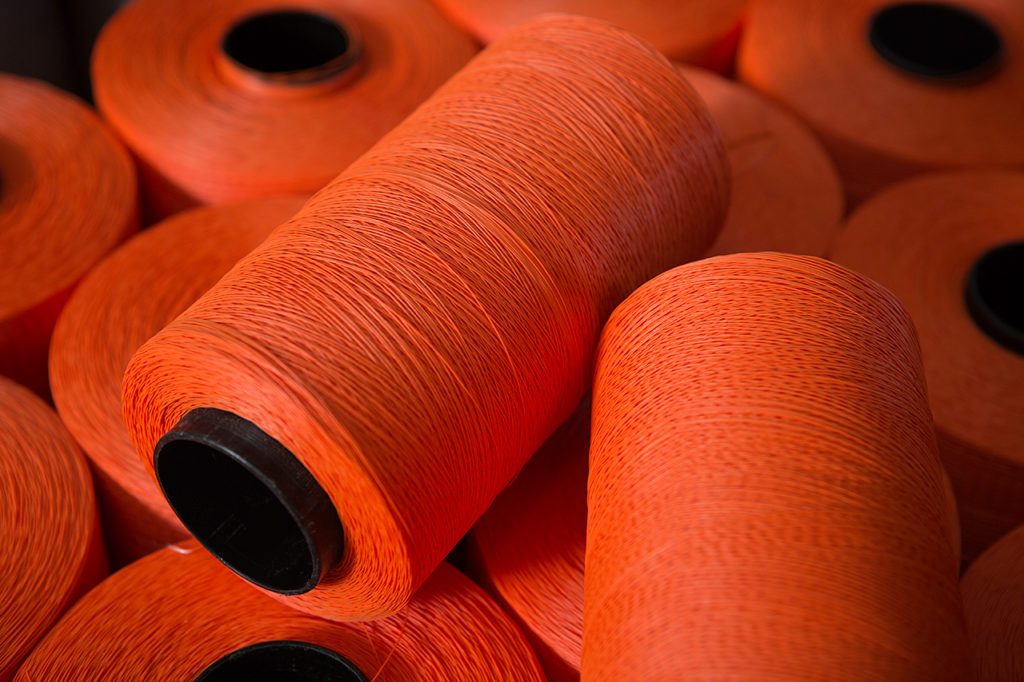
Extrusion is a technology particularly well-suited for heat-set materials. Unlike coating, in this process the micro-cables are first sheathed through extrusion before being woven. The resulting polyester micro-cables are highly durable thanks to the specific formulation of their sheath. These micro-cables are then woven while being heated and stretched — a process known as heat-setting. Here again, the weave structure depends on the material’s final application. This technology is implemented at the La Tour-du-Pin (France) and Carmignano di Brenta (Italy) sites.
This technology makes it possible to:
- use micro-cables in different colors,
- produce shorter-length runs,
- create flexible products that adapt to various shapes — ideal not only for furniture applications, but also for acoustic solutions.