
Our history
The history of Serge Ferrari Group has been written across generations, driven by a pioneering vision, a spirit of innovation, and a constant desire to push the limits of composite membranes.
From a small family weaving workshop to the creation of the Précontraint® process in 1973, and on to the development of an international industrial group committed to a more sustainable world, Serge Ferrari has been shaping textile solutions that address the major challenges of today and tomorrow. A unique entrepreneurial journey, rooted in boldness, transmission, and transformation.
Ferrari before Ferrari (1901 – 1971)
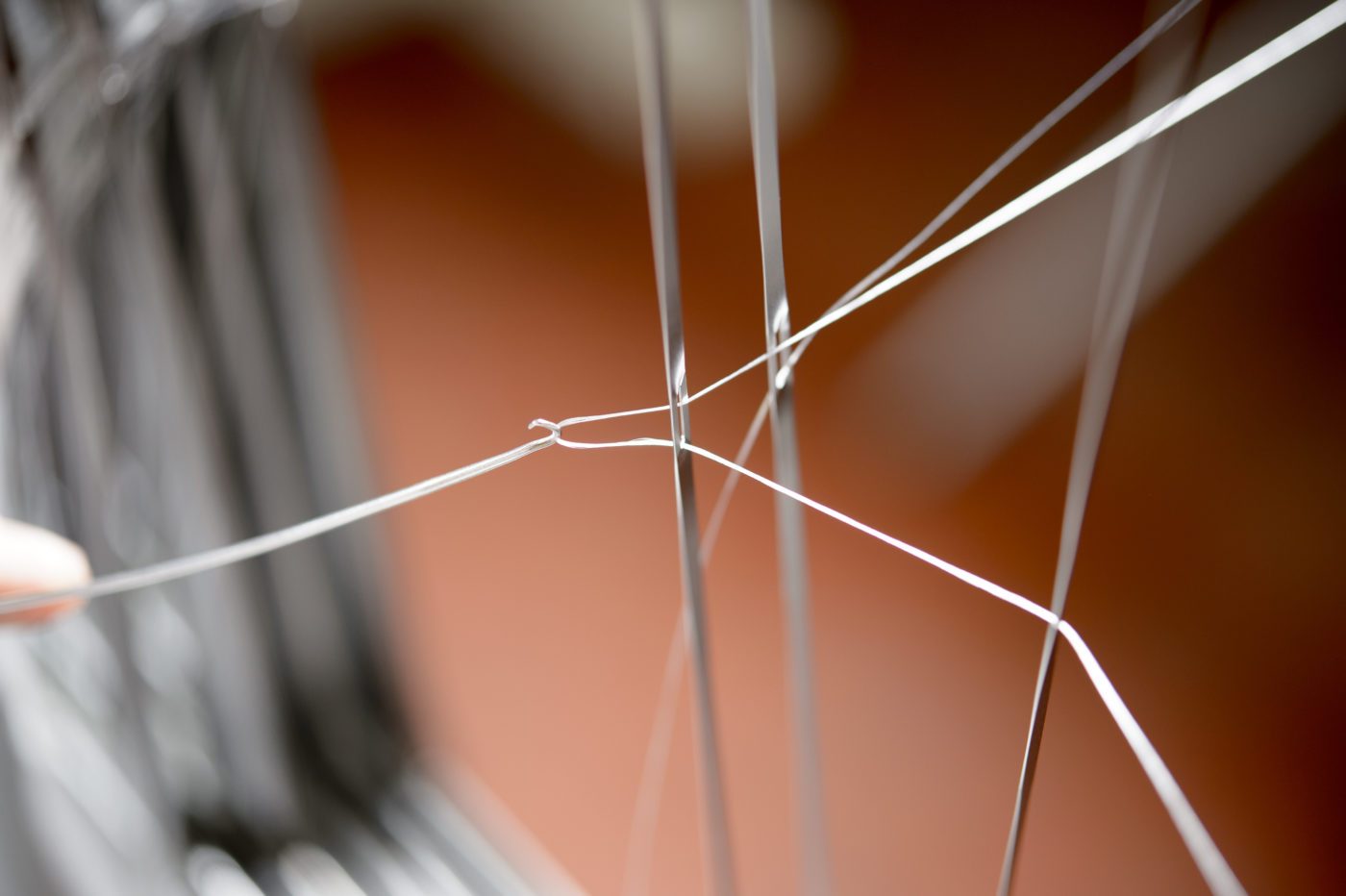
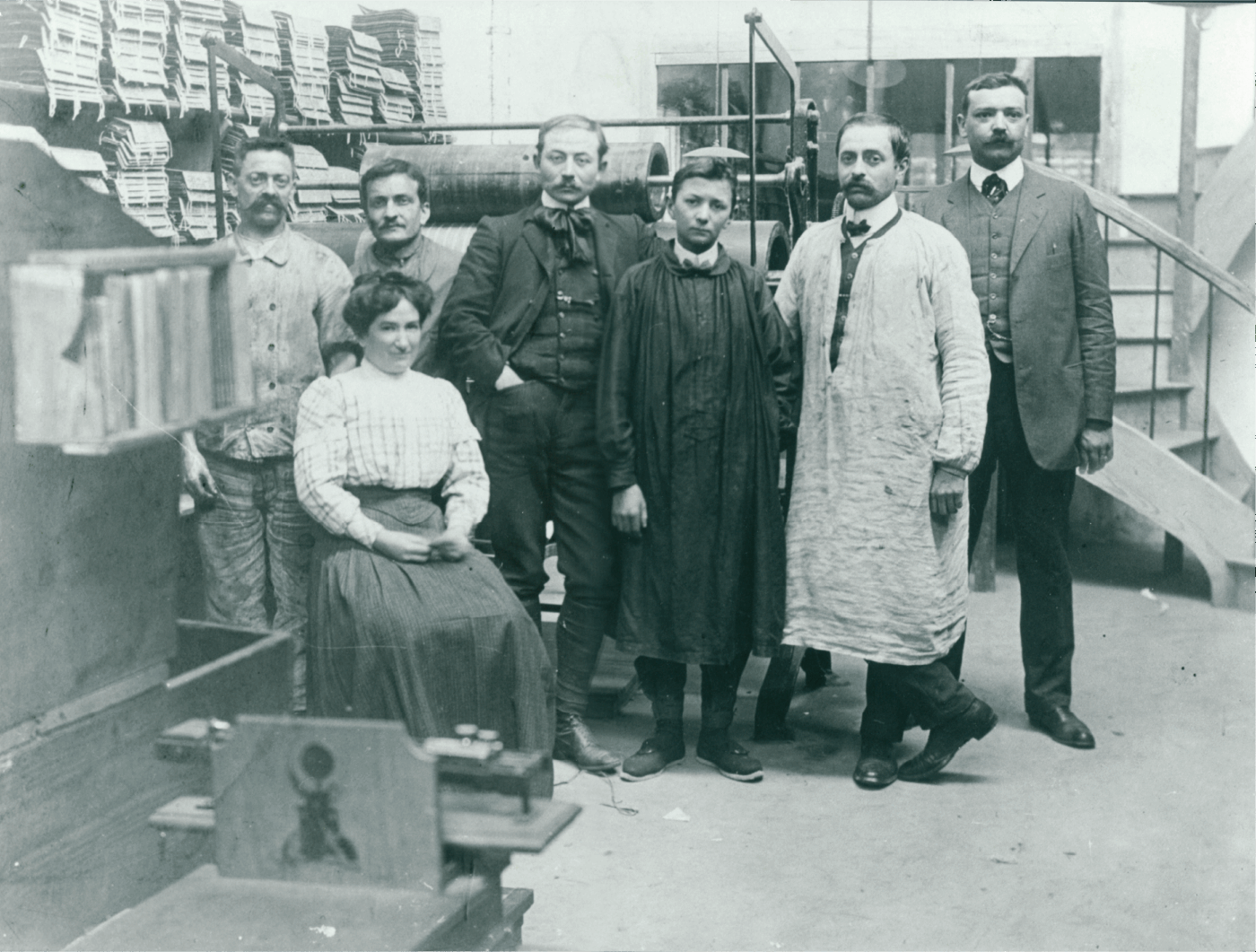
The story of the Serge Ferrari Group begins with Serge’s grandfather, Louis Ferrari (1878–1958), a weaver who decided to start his own business in 1901. In 1918, he acquired a silk factory in Saint-Victor-sur-Rhins, near Lyon, where he developed an inventive process for spinning silk waste.
Renamed “Tissages Louis Ferrari,” the company grew steadily. Louis’s son André joined the business in the 1930s to support his father. After World War II, André’s son Serge Ferrari entered the family business during a time of profound transformation in the textile industry, marked by the rise of synthetic fibers.
Recognizing the need for the textile sector to adapt to these new materials, André and Serge Ferrari founded “André et Serge Ferrari” in 1956, focusing on the production of synthetic and coated fabrics.
A few years later, they acquired Kihm & Compagnie, expanding their know-how and developing important innovations in coated fabrics throughout the 1960s — including fabrics for parachutes, tents, inflatable shelters, and floating barriers. By the early 1970s, “André et Serge Ferrari” had grown significantly, employing around 200 people.
“If you were to create a company…”
(1971-1973)
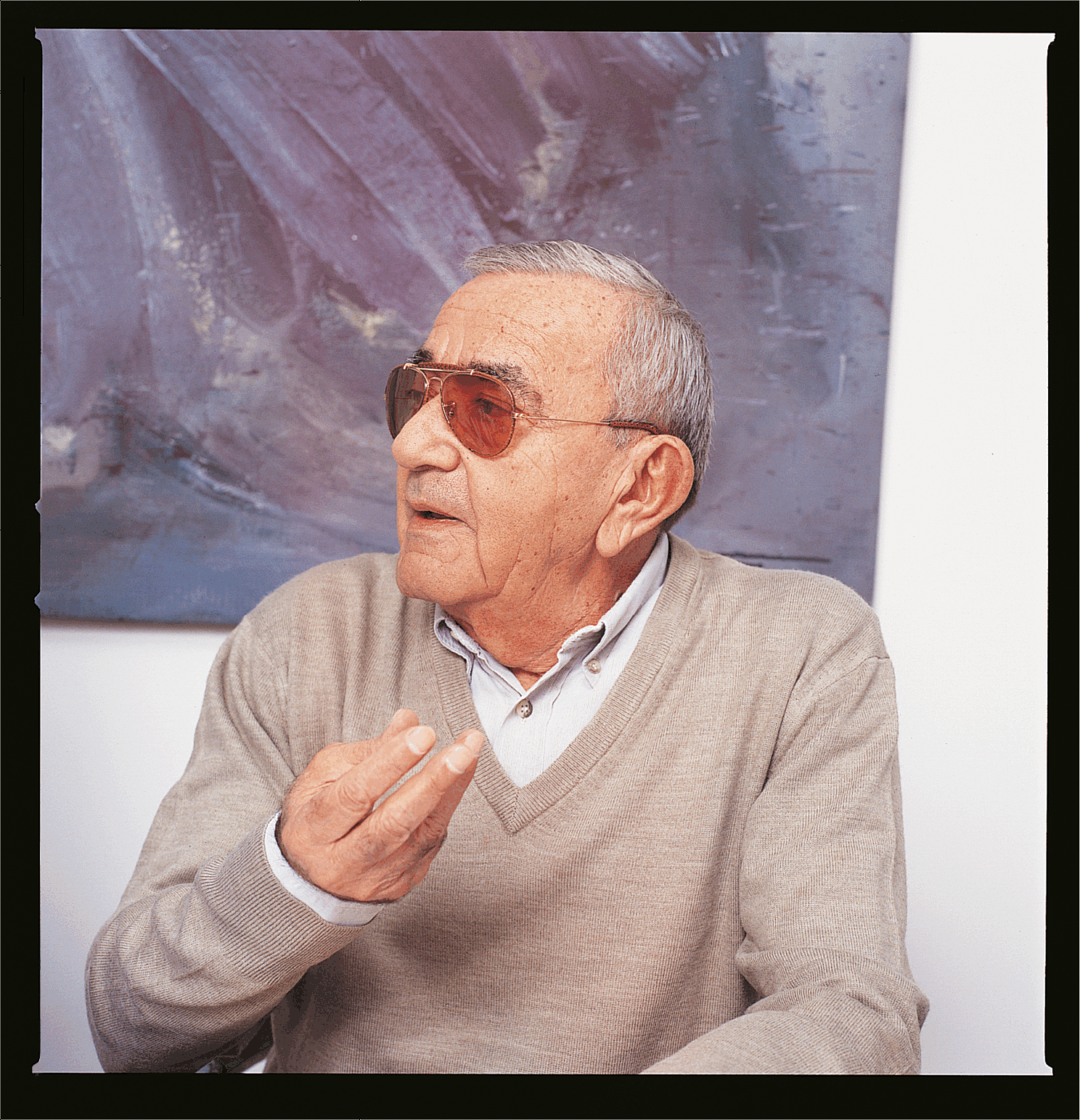
In 1971, following a difference in vision with his father, Serge Ferrari left the family company and moved to South of France. There, on his wife Mireille’s vineyard estate, he embarked on a three-year period of reflection centered around a single question:
“If you were to create a company, how would you do it?”
Starting from a blank page, he allowed himself to imagine everything — from new technologies and supplier relations to social models, work organization, and market strategy. He questioned every aspect of the weaving world and sought constantly to improve existing practices.
During this creative phase, he conceived what would become his greatest idea: the Précontraint process, a new technique inspired by prestressed concrete, which remains at the technical heart of the company to this day.
1973, the defining year
After extensive experimentation with the Précontraint process and convinced of its potential, Serge Ferrari mortgaged his house, car, boat, and part of his wife’s estate to finance a new venture.
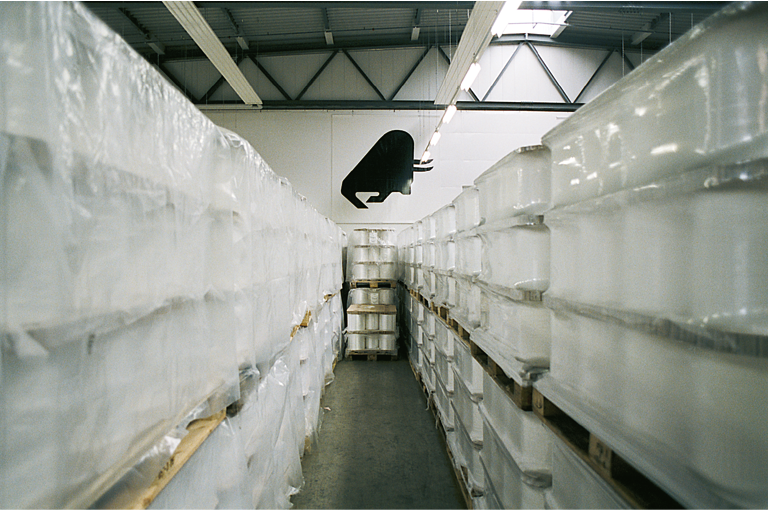
He found a newly built facility in La Tour-du-Pin, near Lyon, and officially founded Tissage et Enduction Serge Ferrari SA.
At the same time, the first oil crisis struck. Despite the economic turmoil, the young company showed remarkable resilience and managed to stay afloat.
The Early Years
(1973-1975)
Once Tissage et Enduction Serge Ferrari SA was established, Serge quickly realized that most of his clients — primarily tarpaulin makers — were poorly connected and that the profession in France lacked organization.
He also sought to position his Précontraint fabrics in more demanding, higher-end markets beyond traditional truck tarpaulins.
Convinced that success required collective progress and customer skill development, he began supporting his clients in diversifying and growing their businesses. This collaborative approach aimed to structure the profession, promote knowledge sharing, and equip fabricators to better meet customer needs.
In 1975, Serge Ferrari created “Le Relais des Bâches,” an association that initially brought together around forty fabricators and installers who met regularly to exchange methods and best practices. This network proved highly beneficial: it allowed Serge’s company to maintain close contact with end-users, better understand market needs, and create a strong commercial dynamic.
Unique in the industry, Le Relais des Bâches laid the groundwork for a stronger, more efficient ecosystem.
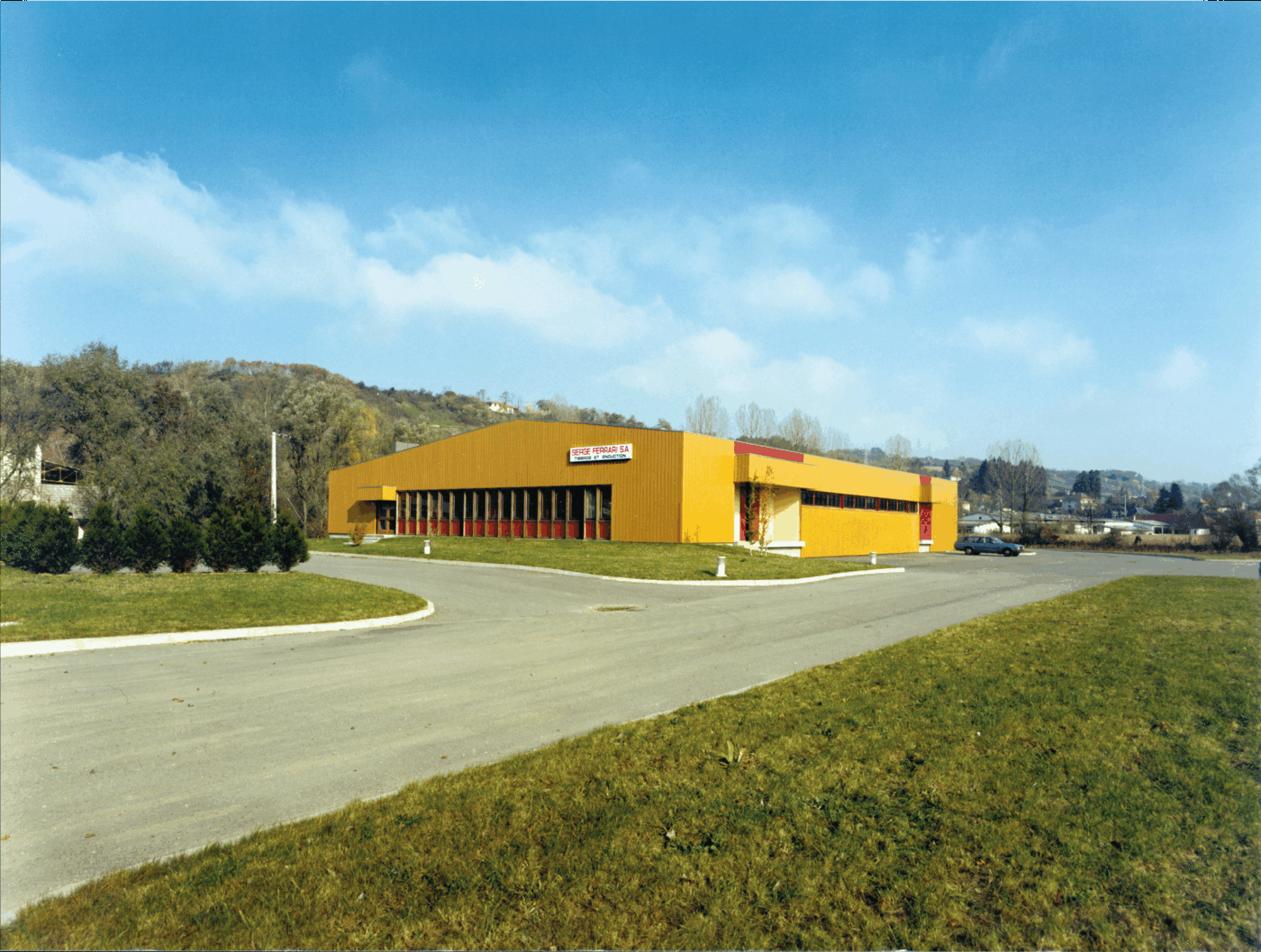
Growth and expansion (1975-1991)
Between 1975 and 1991, the company experienced decisive growth, driven by its Précontraint technology. This innovation — enabling lighter yet stronger and more dimensionally stable fabrics — revolutionized the market, sometimes unsettling traditional customers!
However, the exceptional quality and reliability of the fabrics soon earned widespread recognition, and the company’s reputation grew rapidly. Production capacity expanded, with a second line added in 1990 and a third a few years later.
The company’s family spirit also strengthened. In 1981, Serge’s eldest son Sébastien Ferrari joined to lead commercial development. A decade later, in 1991, his younger brother Romain Ferrari joined, focusing on production.
Together, Sébastien and Romain formed a complementary duo, combining strategic vision, commercial excellence, and industrial performance. Their shared commitment — true to Serge’s entrepreneurial spirit — gave new momentum to the company and progressively established its global presence.
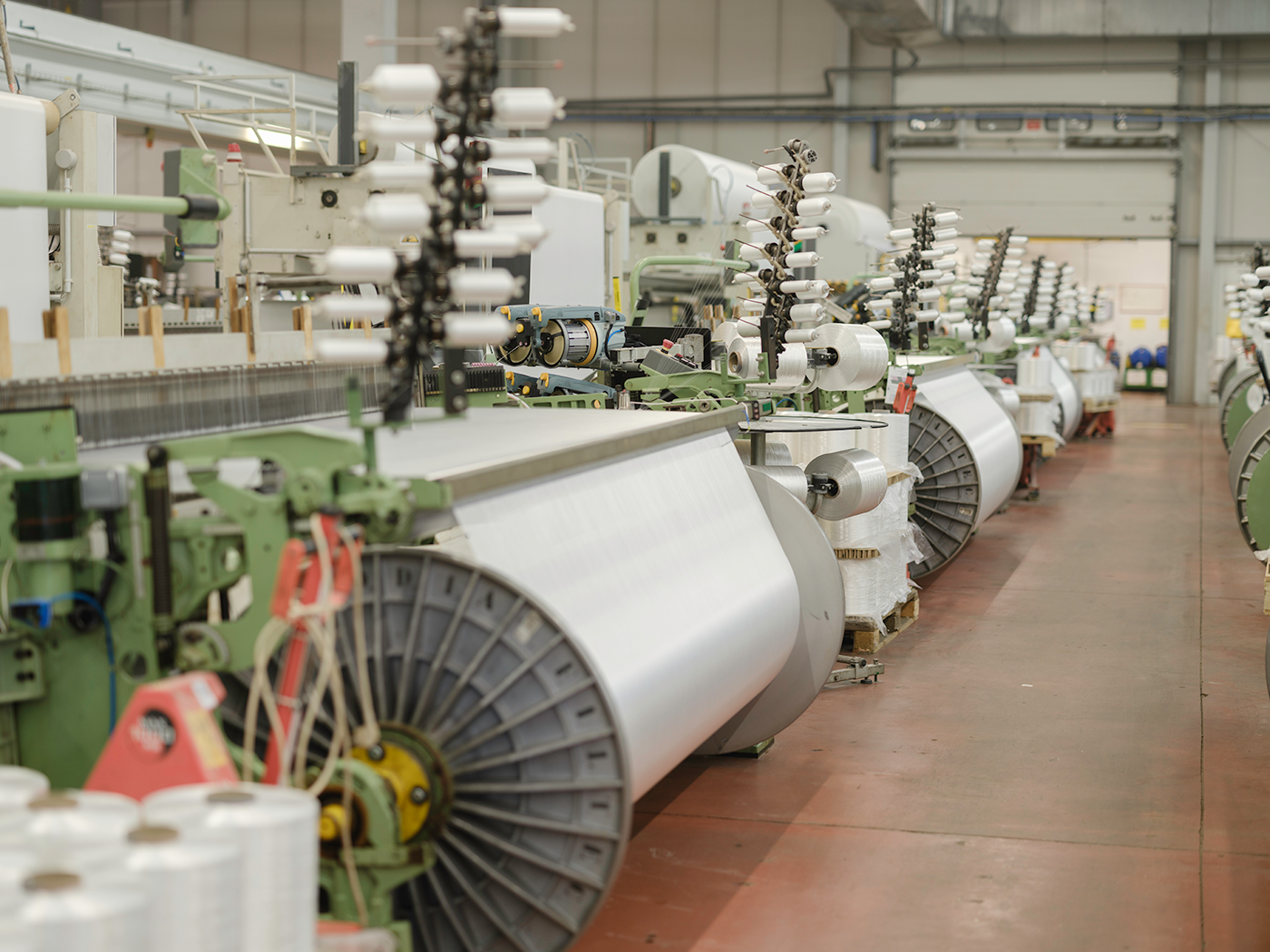
Transmission and scaling Up (1991 – 2020)
In 1991, a major turning point came as Serge Ferrari handed the leadership of the company to his sons, Sébastien and Romain. This family succession marked the beginning of a new phase characterized by ambitious growth and international expansion.
Over the next three decades, the Group pursued a series of vertical and horizontal integrations, enabling full control of its value chain, the acquisition of specialized know-how, and entry into new markets.
The company became increasingly international, establishing subsidiaries and offices across the Americas, Europe, and Asia, and went public on Euronext Paris in 2014.
Environmentally, after developing and operating a PVC recycling technology until 2018, the company began working on miniaturizing the process, with a prototype recycling unit planned for its La Tour-du-Pin site.
This period marked a true scaling-up for Serge Ferrari, establishing the foundations of a global industrial group driven by innovation, technological autonomy, and sustainability.
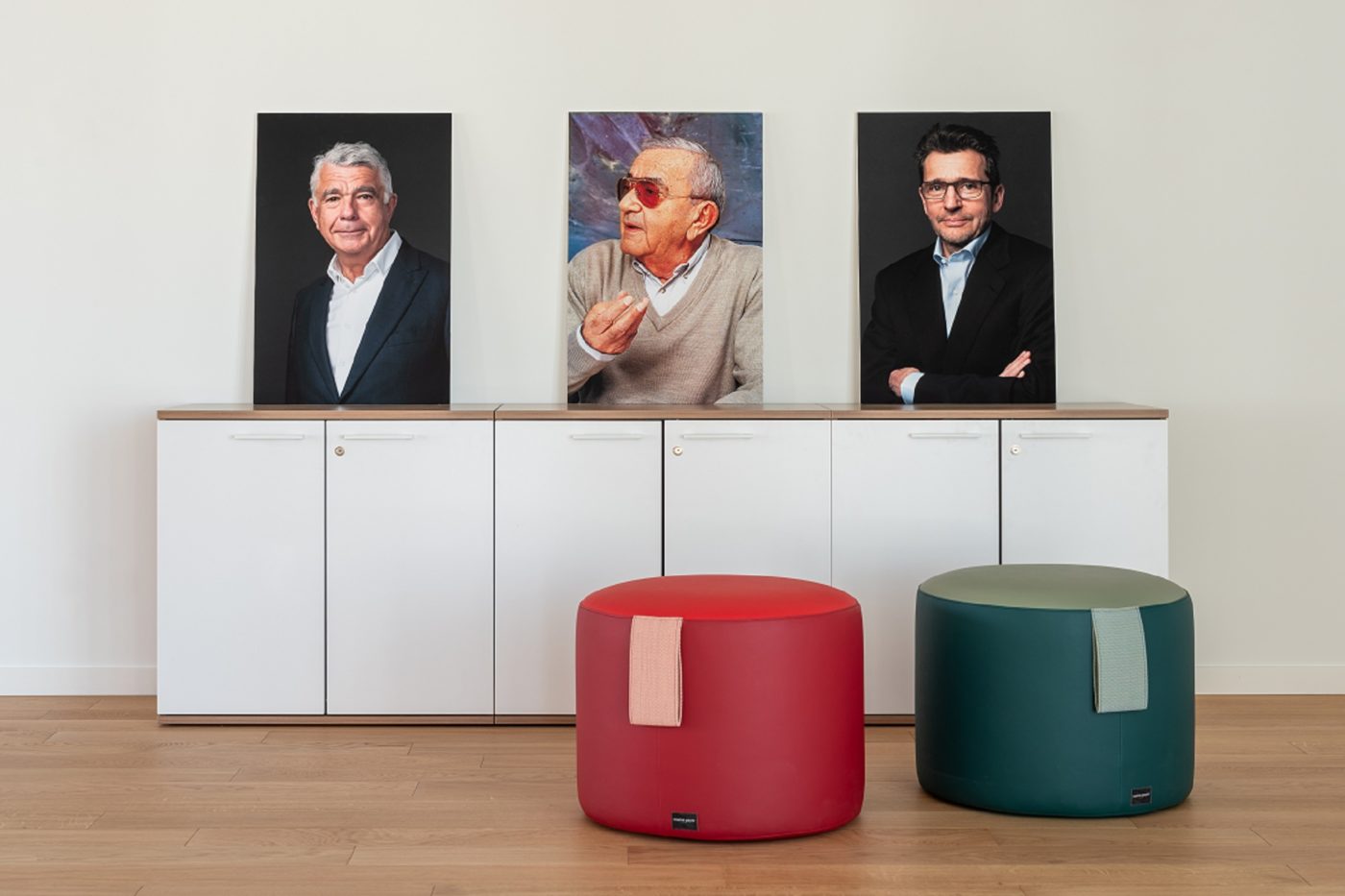
Securing the future (2020 – today)
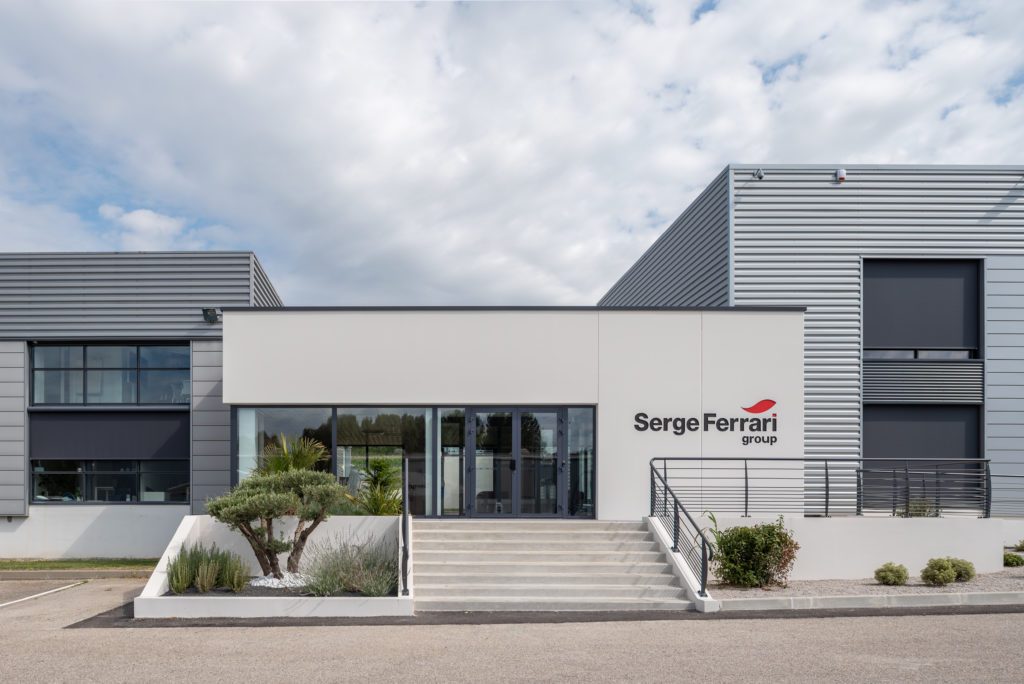
Since the early 2020s, Serge Ferrari Group has entered a new strategic phase, refocusing on four key markets: solar protection, tensile architecture, modular structures, and furniture/marine. This strategy strengthens the Group’s position in high-value segments aligned with modern demands for sustainability, comfort, and performance.
The Group has also pursued selective external growth, notably with the 2020 acquisitions of FIT (Taiwan) and Verseidag (Germany). These integrations expanded its technological portfolio, enhanced its presence in key markets, and opened new global business opportunities.
In 2021, the Group’s governance evolved: the founding family stepped back from operational management, which was entrusted to Sébastien Baril, while continuing to define strategic directions. This transition marked a new era of professionalization and balance between heritage and forward vision.
Finally, true to its commitment as a purpose-driven company, Serge Ferrari Group continues to explore new opportunities in environmental and energy-related sectors, further embedding innovation in addressing tomorrow’s global challenges.
1973
1980
1987
1990
1999
2000
2001
2002
2004
2007
2008
2012
2014
2016
2014
2018
2020
2021
2022
2023
1973
Creation of Tissage et Enduction Serge Ferrari SA. Development of the Précontraint® process the following year and launch of the first production line.
1980
Sébastien Ferrari joins the company.
1987
Acquisition of the Batyline® (Taraflex) activity, specializing in extruded cable coating for furniture.
1990
Romain Ferrari joins the company.
1999
Partnership and license agreement signed with Solvay to develop an industrial PVC recycling process.
2000
Acquisition of Tersuisse (Lucerne, Switzerland) — initially 50%, then the remaining 50% in 2005.
2001
Acquisition of Forbo-Stamoïd (Zurich, Switzerland), expanding technologies and products for yachting and breathable waterproof membranes.
2002
Establishment of Serge Ferrari North America in Kentucky to serve the U.S. and Canada.
2004
10% stake in a commercial subsidiary in Tokyo (Serge Ferrari Japan), later increased to 83%.
2007
Opening of Serge Ferrari Asia Pacific Ltd in Hong Kong to serve China and Southeast Asia.
2008
Expansion of composite recycling activities through Texyloop (founded in 2003).
2012
Opening of Serge Ferrari Brasil in São Paulo to serve South America.
2014
Conversion into a public limited company with a Board of Directors.
IPO on Euronext Paris – Compartment C.
2016
Acquisition of a 51% stake in GIOFEX Group srl.
2014
Full acquisition of PLASTITEX SpA
Acquisitions of FERRATEKS (Turkey) and Milton (UK)
Launch of Serge Ferrari Shanghai (China), Serge Ferrari India Private Limited (India), and Serge Ferrari GmbH (Germany).
2018
End of Texyloop activity and sale of 40% stake in Vinyloop Ferrari SpA.
2020
Acquisition of a 55% stake in FIT Industrial Co. Ltd (Taiwan) and acquisition of Verseidag-Indutex (Germany) along with its subsidiaries.
2021
Commercial and industrial integration of the 2020 acquisitions.
Governance evolves to a dual structure: Management Board and Supervisory Board.
2022
Acquisition of a 60% stake in MSE and DCS, companies active in the biogas sector and based in the Netherlands, thereby strengthening the activities of DBDS (a subsidiary of Verseidag Indutex).
Acquisition of a 60% stake in Baltijos Tentas (Lithuania), a long-standing distributor of Verseidag products.
2023
Acquisition of a 66% stake in Markleen Management (Spain), a manufacturing company specializing in effluent collection systems.
Acquisition of a 60% stake in Biomembrane Systems India Pvt. Ltd (India), a company active in the biogas sector.