
Commercial & Offices buildings
Discover all textile solutions designed for the fit-out and equipment of commercial buildings and office spaces
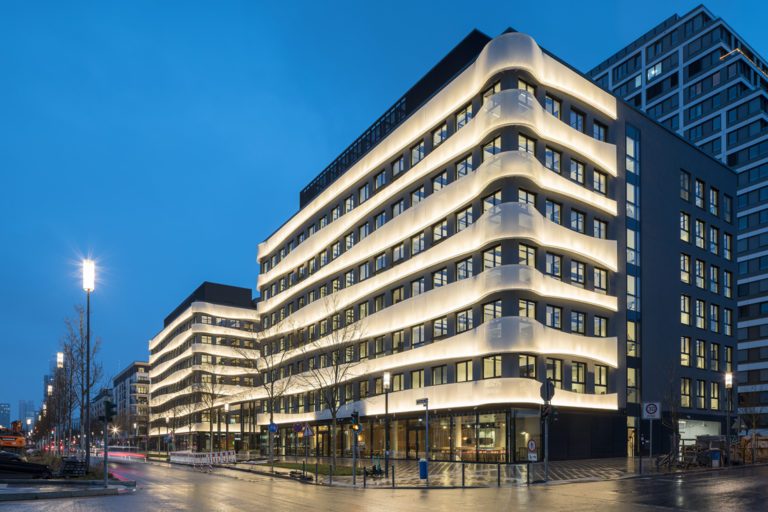
Meeting the Needs of Commercial Buildings and Office Environments with Composite Membranes
Serge Ferrari Group solutions enable architects, designers, developers, and businesses to create professional spaces that combine high functionality, aesthetics, and energy performance. Our materials integrate seamlessly into both new construction and renovation projects.
Designing Workspaces That Are Efficient, Welcoming, and Sustainable
Commercial buildings host thousands of employees, visitors, and users daily in environments with diverse purposes: offices, corporate headquarters, retail agencies, public buildings, business centers, coworking spaces, banks, insurance companies, administrative centers, city halls, libraries, and more.
These structures face demanding requirements for heavy use, comfort, aesthetics, and regulatory compliance. They must combine energy efficiency, occupant well-being, and a strong architectural identity.
Customized Textile Applications for Commercial Buildings
Exterior Applications
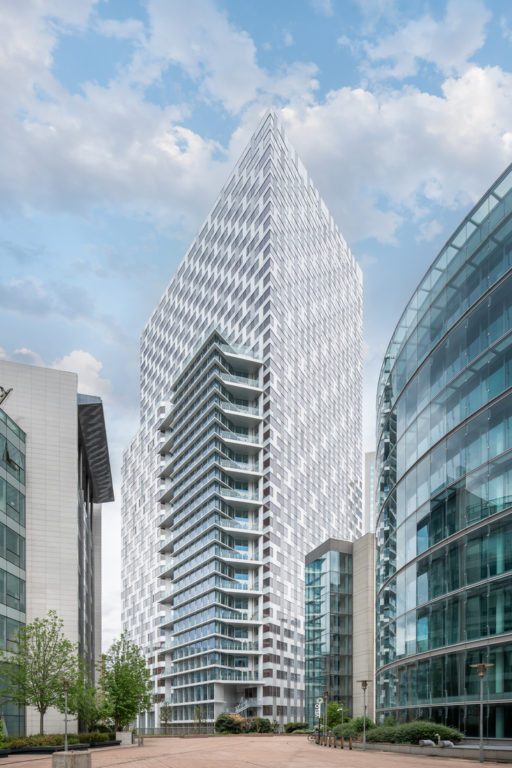
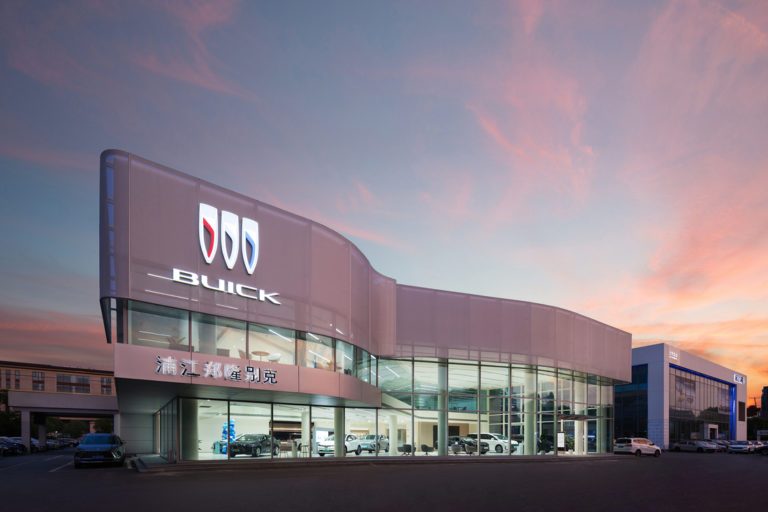
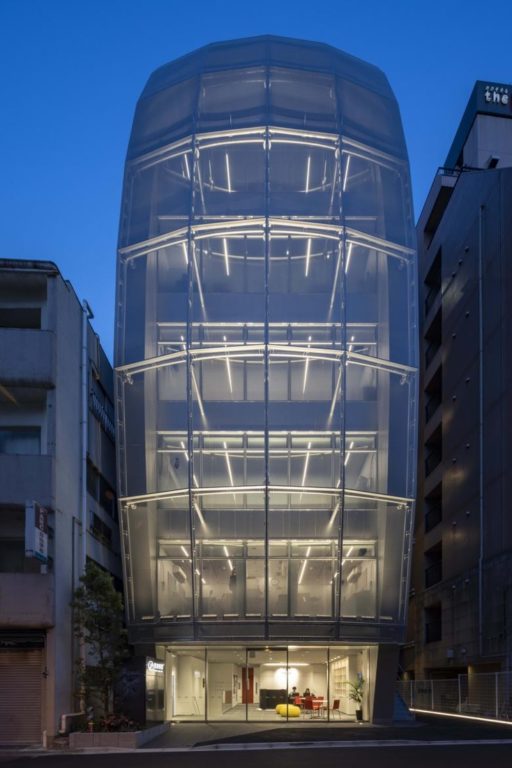
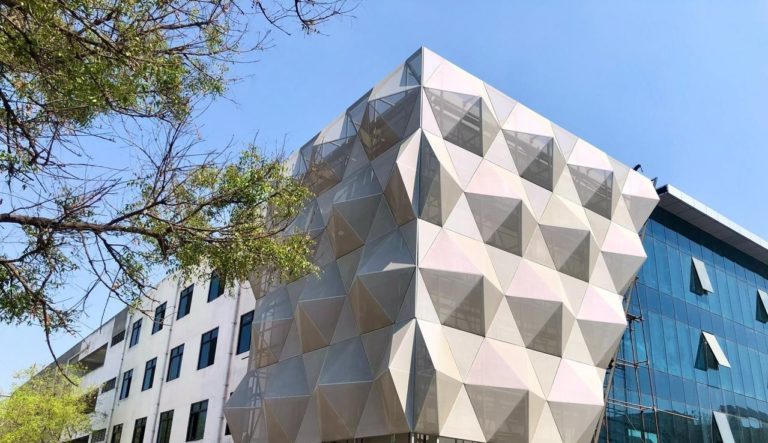
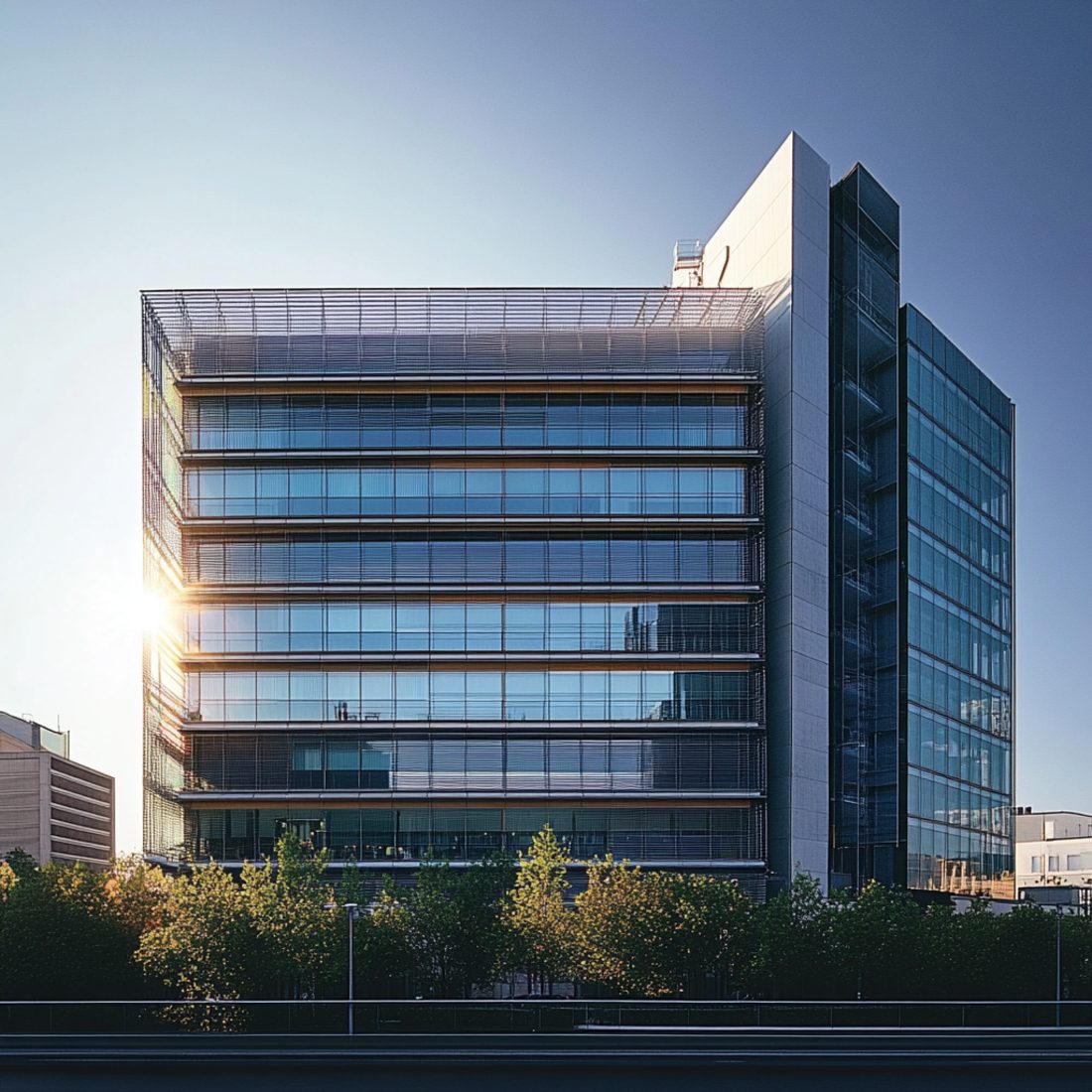
- Textile facades for thermal comfort and architectural identity
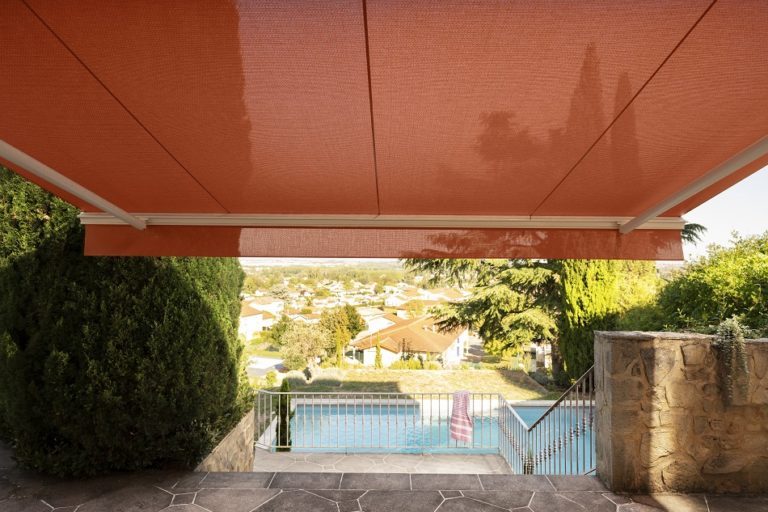
- Vertical shades or façade solar protection, shade sails for terraces
- Outdoor shelters, entryway canopies, and lightweight tensile structures for exterior spaces
Interior Applications
- Vertical screens for light control, heat management, and energy savings
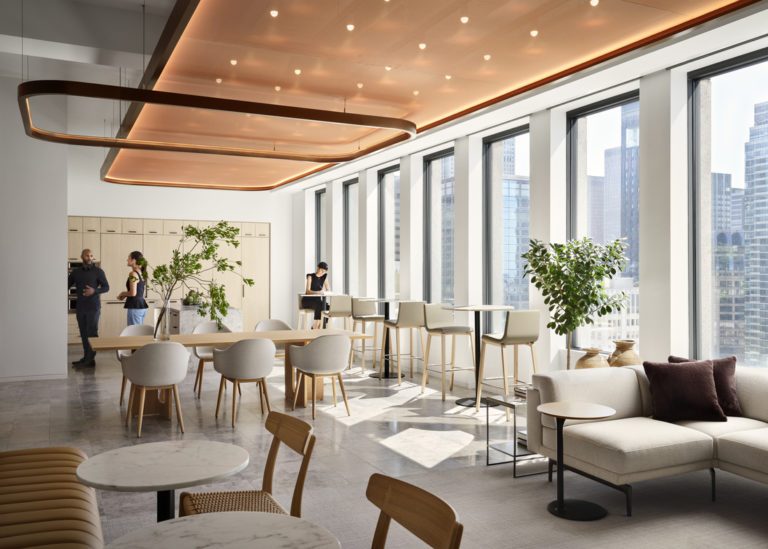
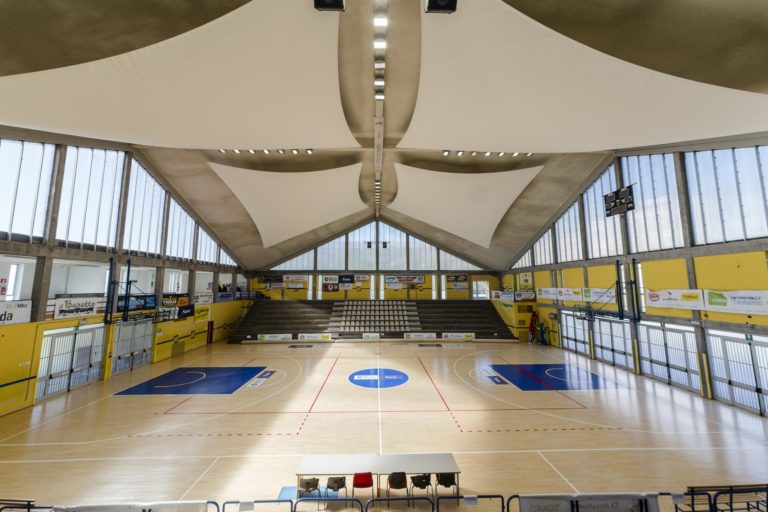
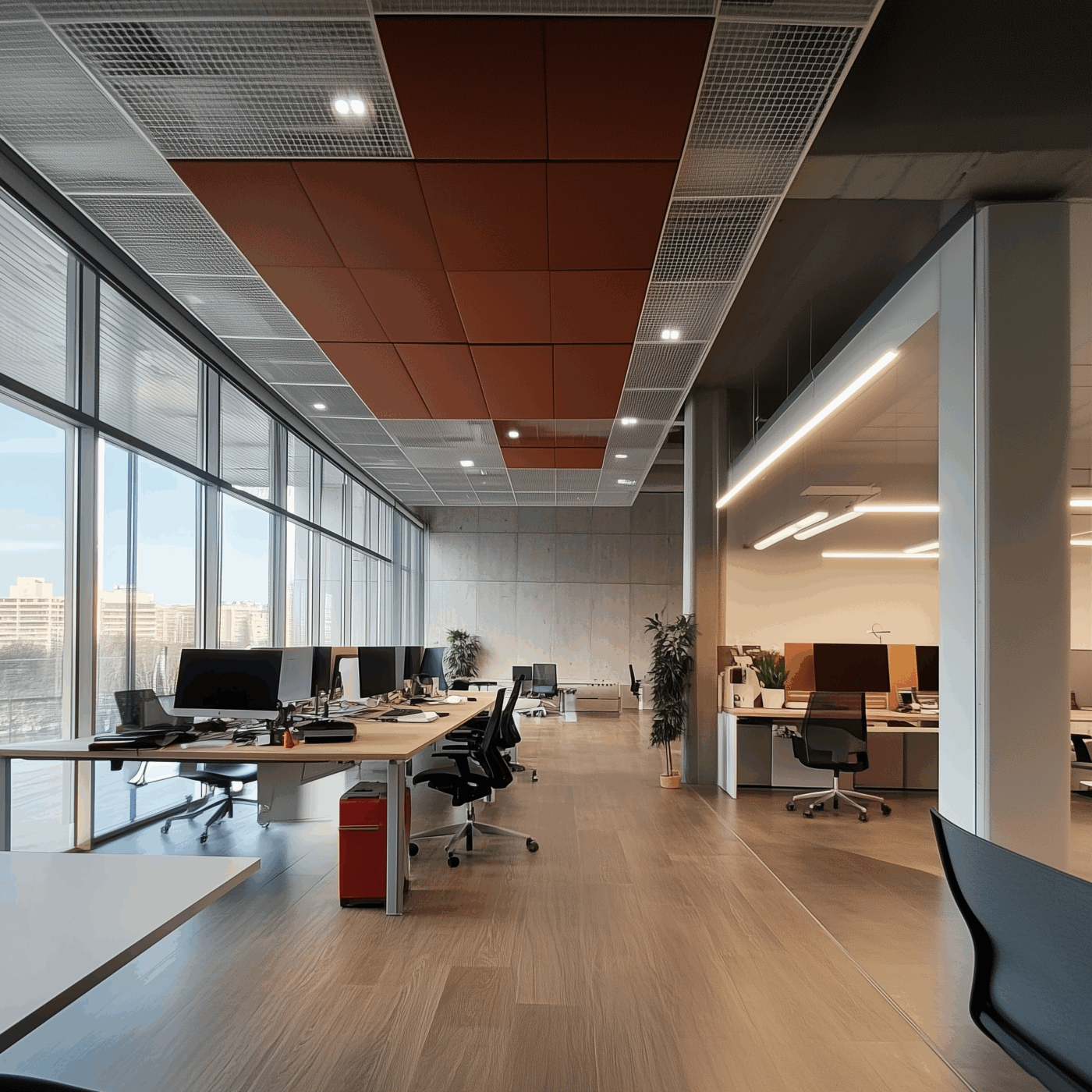
- Decorative or acoustic stretch ceilings for offices, shared areas, and meeting rooms
- Furniture coverings: seating, benches, armchairs, and cushions for reception areas, lounges, and relaxation zones
- Space dividers for flexible work environments
Technical Textiles That Address the Challenges of Commercial Environments
Our composite membranes deliver tangible benefits for commercial spaces, including:
- Light control for optimal visual comfort
- Thermal comfort in spaces with extensive glazing
- Acoustic comfort in open or shared environments
- Strong architectural and interior design identity
- Durability, resistance, and easy maintenance
- Environmental performance and compliance with HQE, BREEAM, and LEED certifications
- Integration into sustainable, low-carbon architecture initiatives
- Flexible layouts to support new work models (flex office, coworking, etc.)