Opole Stadium: sustainable design for sports
Copyright: Nate Cook Photography, Nate Cook & 90 Architekci
A high-stakes project for the city of Opole
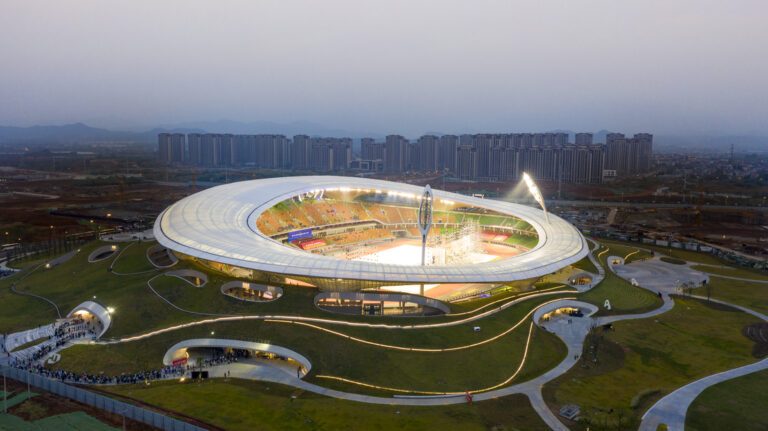
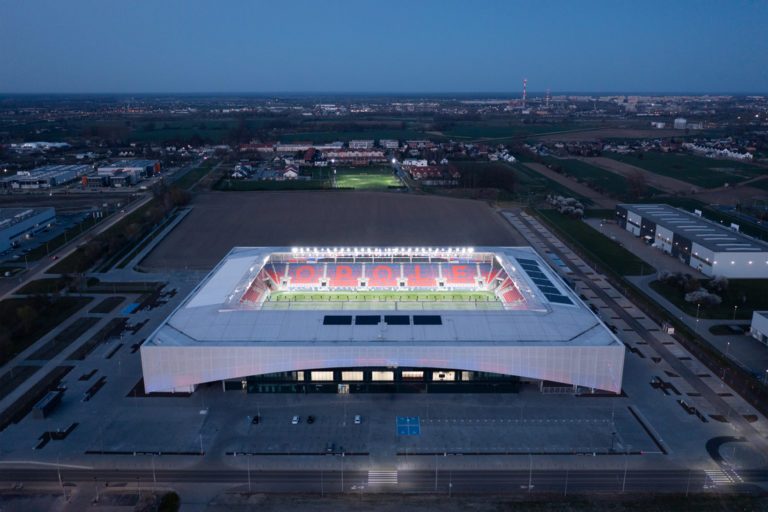
Sitting along Poland’s southwestern border with the Czech Republic, Opole was one of the last major cities in the country without a modern stadium. The pre-existing venue, built before World War II, was outdated and inadequate in terms of comfort, safety and visitor experience. Ultimately, the decision was made to develop a new stadium with current standards in mind, and construction started in June 2022. Inaugurated in March 2025, Opole Stadium was designed to stand as a symbol of the city’s dynamic energy, a source of pride for residents, and to considerably increase the city’s capacity to attract high-profile sporting events.

State-of-the-art sports architecture
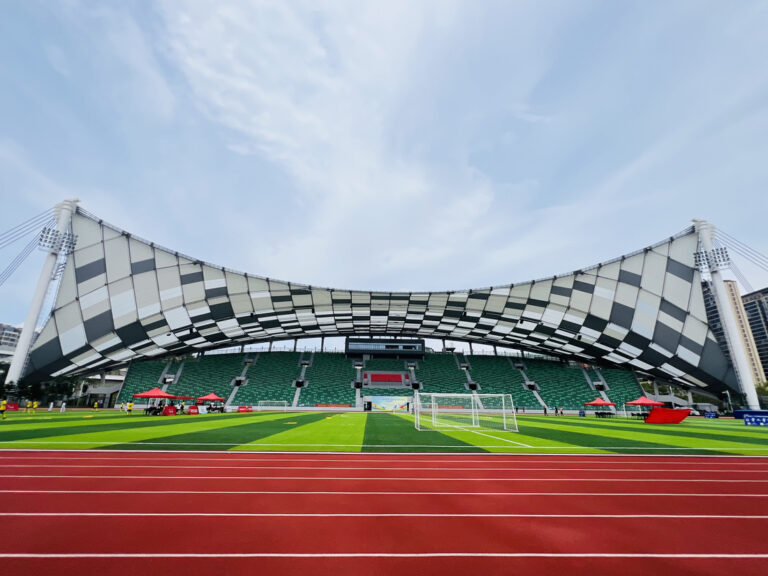
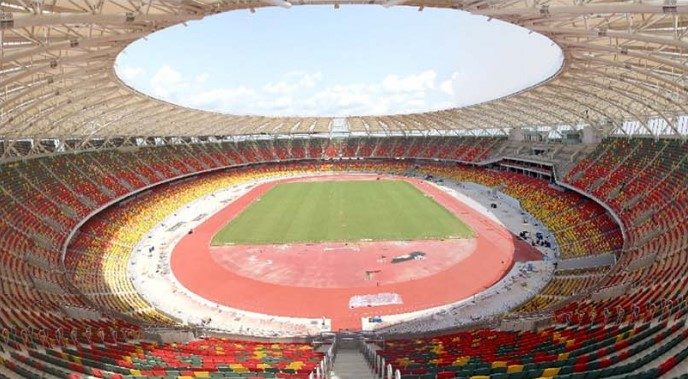
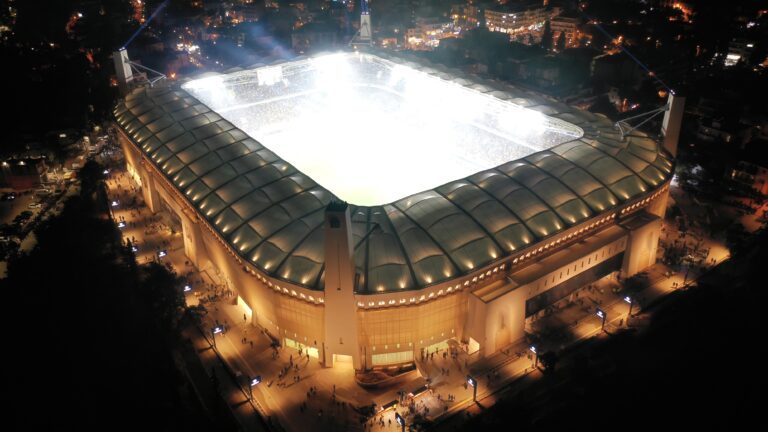
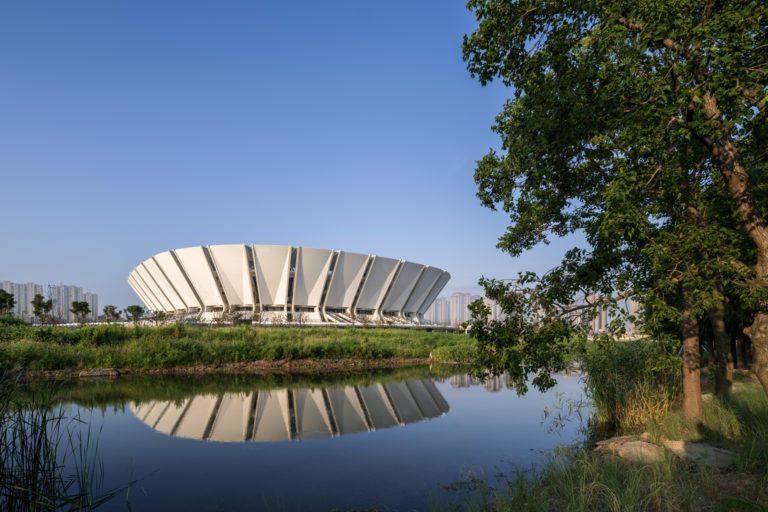
Designed by 90 Architekci and GMT, the new Stadium of Odra Opole has been built to UEFA’s Category 3 specifications, making it eligible for hosting the League of Champions and the Europa League qualifiers. With a total capacity of 11,600 seats arranged into 18 rows stretching continuously around the pitch, the design relies on a compact and dynamic structure, supported by no less than 130 load-bearing columns. Most importantly, the project shows a strong sustainable commitment: rooftop solar arrays, heat pumps, CHP units to power the building, and a complete rainwater harvesting system to irrigate the pitch and supply water to all the lavatories. The building is also equipped with full a range of cutting-edge sound, video and lighting technology, delivering both optimal quality and energy efficiency.
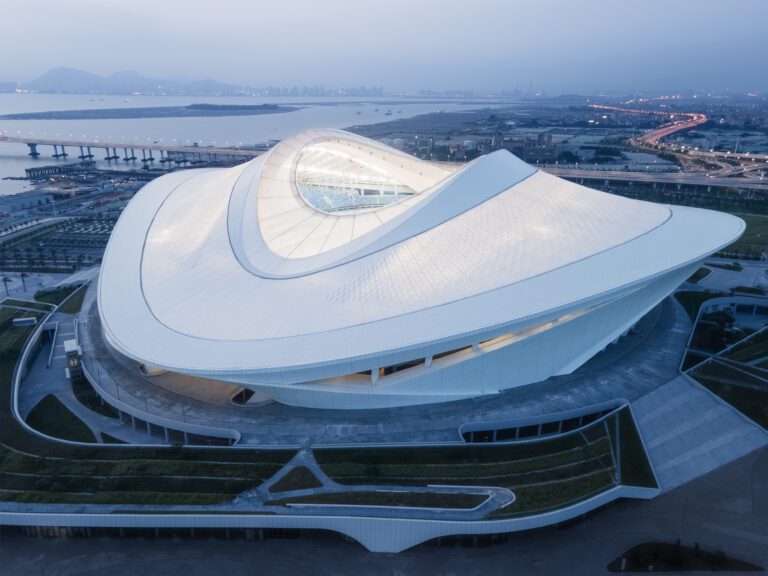
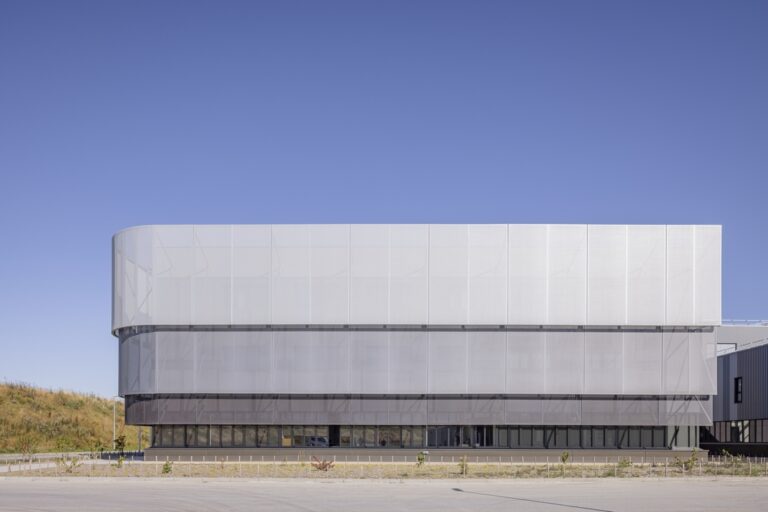
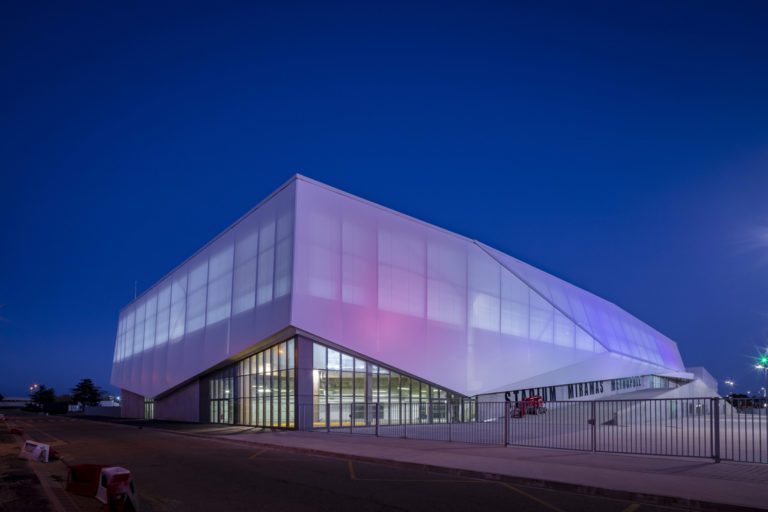
From the outside, the design presents as a vast, regular rectangle, dominated by a sleek tensile envelope shaped from Tenseo Frontside GFM 21 in White. Stretched across the gently arched steel structure, the material conveys a sense of motion and achieves a visual effect that contributes to the architecture’s light and dynamic feel.
An external envelope in Tenseo Frontside GFM 21
For the building’s outer envelope, the design team chose Serge Ferrari’s Tenseo Frontside GFM 21 — a solution widely recognised for both its aesthetic and technical properties. This transparent material creates a canvas for a compelling play of light, particularly striking at night, while also delivering excellent weather and UV resistance. But its greatest advantage is unquestionably its light weight, which requires minimal supporting structures and reduces material use, thus contributing to the building’s lower carbon footprint compared with more traditional solutions like concrete or glass. In total, some 11,000 sqm of fabric were used to complete the Opole Stadium, all assembled and installed by Polish tensile architecture specialist PBU Pion. The use of Serge Ferrari’s Tenseo Frontside GFM 21 has made a significant contribution towards achieving the project’s sustainability goals and ambitious vision, while at the same time delivering a modern design with airy lines and a bold identity.