
THE SEVENTH MATERIAL · TECHNICAL CAPABILITY
What it takes to make a material behave.
The Seventh Material is not a formulation. It is a manufacturing capability: proprietary processes, ranges built around application types, and engineering that runs from first sketch to on-site implementation.
Précontraint®: tension before coating.
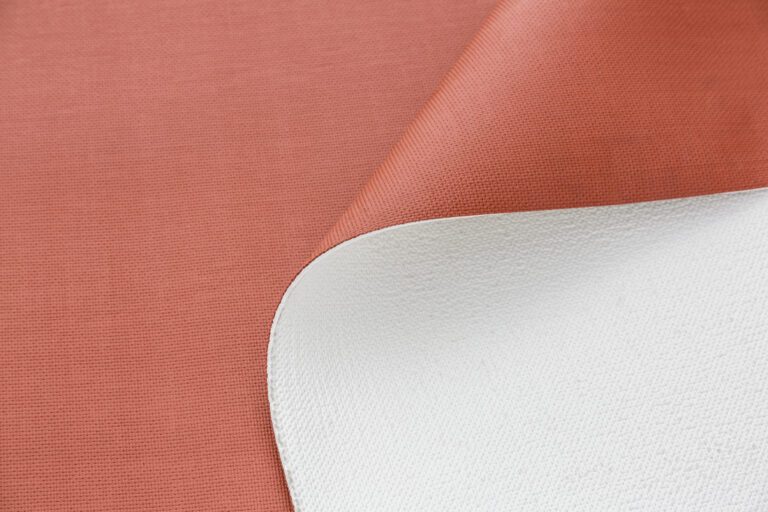
The Précontraint® process places the woven support under tension in both the warp and weft directions before coating, and maintains this tension throughout the entire manufacturing process.
Its most immediate benefit is dimensional stability: the composite remains perfectly flat and does not deform once installed.
The other benefit, less visible but equally important, is durability. Because the membrane is held under tension, the coating is applied in greater thickness over the woven structure than with conventional processes. As a result, the polyester yarn remains protected precisely where a traditional coating would be at its thinnest.

Proprietary technologies.
The Seventh Material is not the result of a single formula. It is the culmination of technologies developed to act on each component and impart the properties required.
Everything begins with the yarn, the active core of the membrane. Its nature, structure and manufacturing process determine much of its future behaviour: mechanical strength, long-term stability, appearance and durability. Around this textile framework, additional technologies are then applied to enhance and direct the material’s performance.
Some increase resistance to climatic conditions, others improve watertightness, insulation or fire performance. Still others make it possible to combine different materials, bringing together their respective qualities within a single system. Each technology fulfils a specific function, but it is their combination that creates the final performance.
A membrane is therefore never simply the sum of its components. It is the result of an engineering process designed to orchestrate fibres, reinforcements, coatings and assemblies to achieve a targeted behaviour. It is this mastery of the whole that makes it possible to develop membranes capable of meeting the long-term demands of contemporary architecture.
Every process needed a machine.
Each of those processes required a machine that did not exist, so the company builds its own.
Coating lines arrived in 1974, in 1990 and at the end of that decade, and each one moved a limit.
The most recent produces panels 270 cm wide, where earlier lines produced 180.
This is what distinguishes a span produced as a single piece from one assembled from multiple elements: fabrication and installation time are critical parameters in the efficient delivery of a project.
The yarn follows the same logic. A process developed in 1972 combined spinning, drawing and winding on a single machine.
Material serving architectural design
There is no single way to engineer an architectural membrane. Depending on the intended application, Serge Ferrari combines different textile reinforcements and coating technologies to achieve specific properties, including mechanical strength, light transmission, durability, fire performance, thermal comfort and acoustic quality.
In the architectural field, the company distinguishes between two major membrane families: flexible composite membranes reinforced with polyester, notably developed using Précontraint® technology, and PTFE-coated glass fibre membranes designed for projects with demanding fire protection requirements.
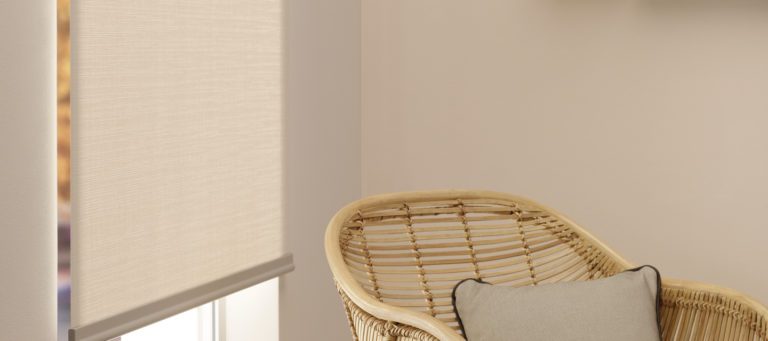
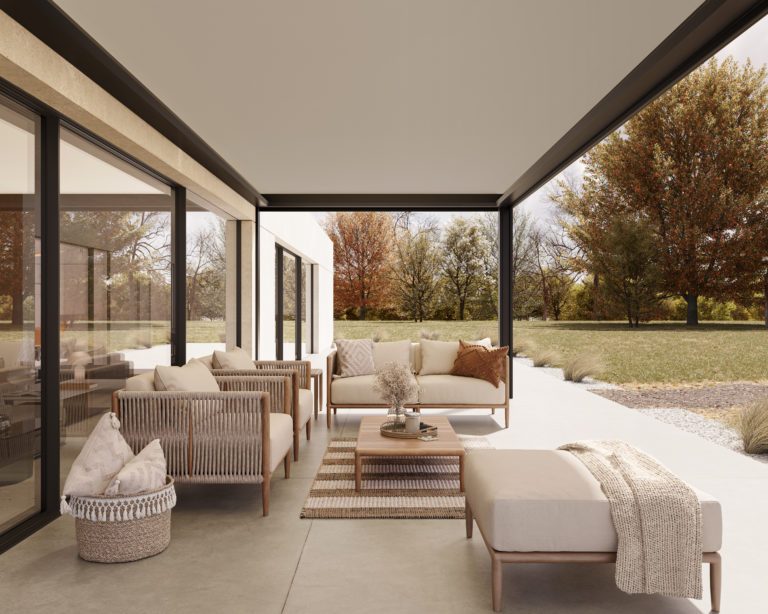
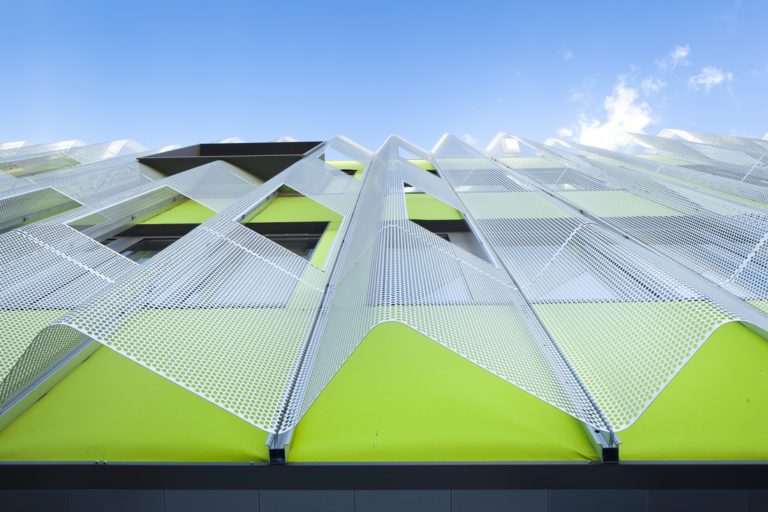
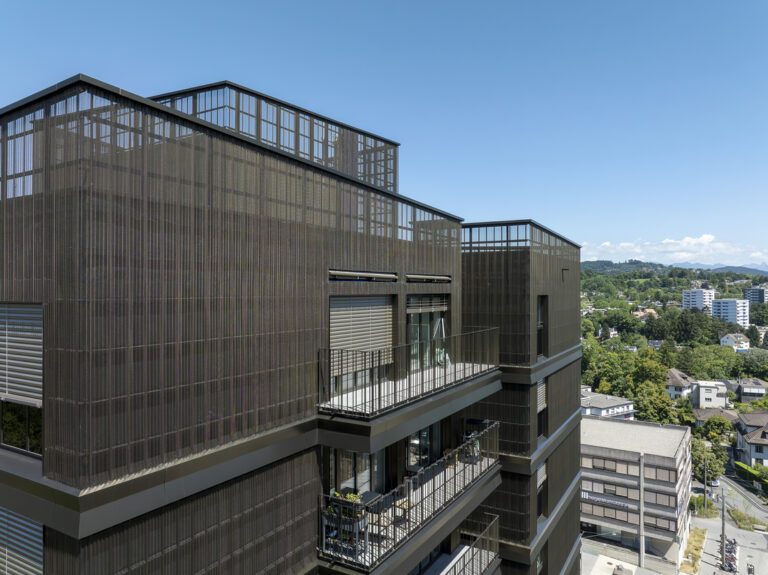
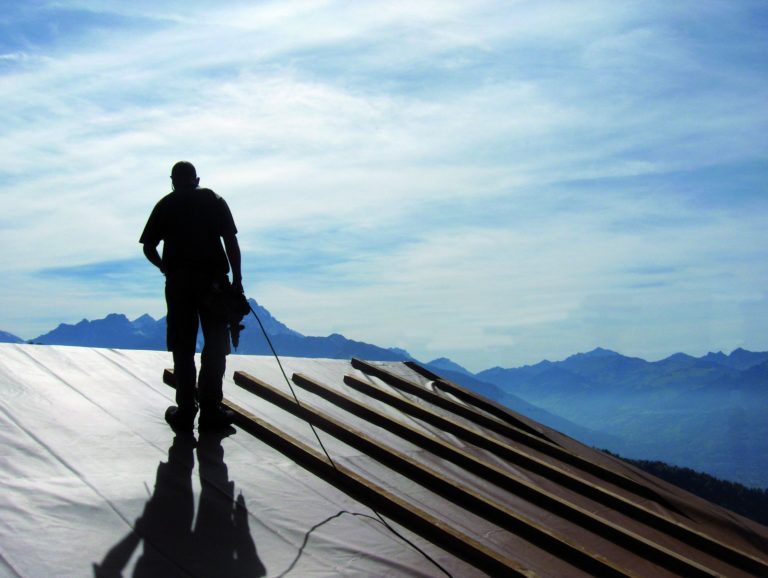
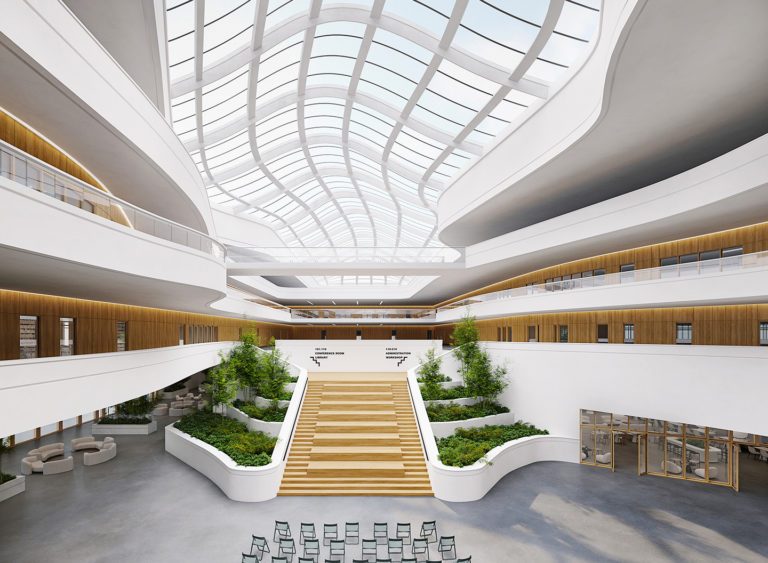
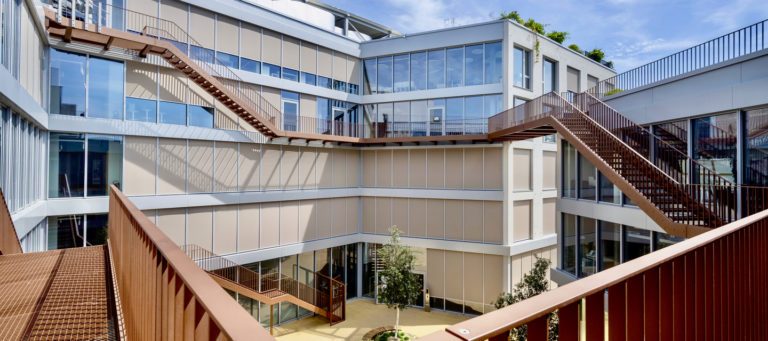
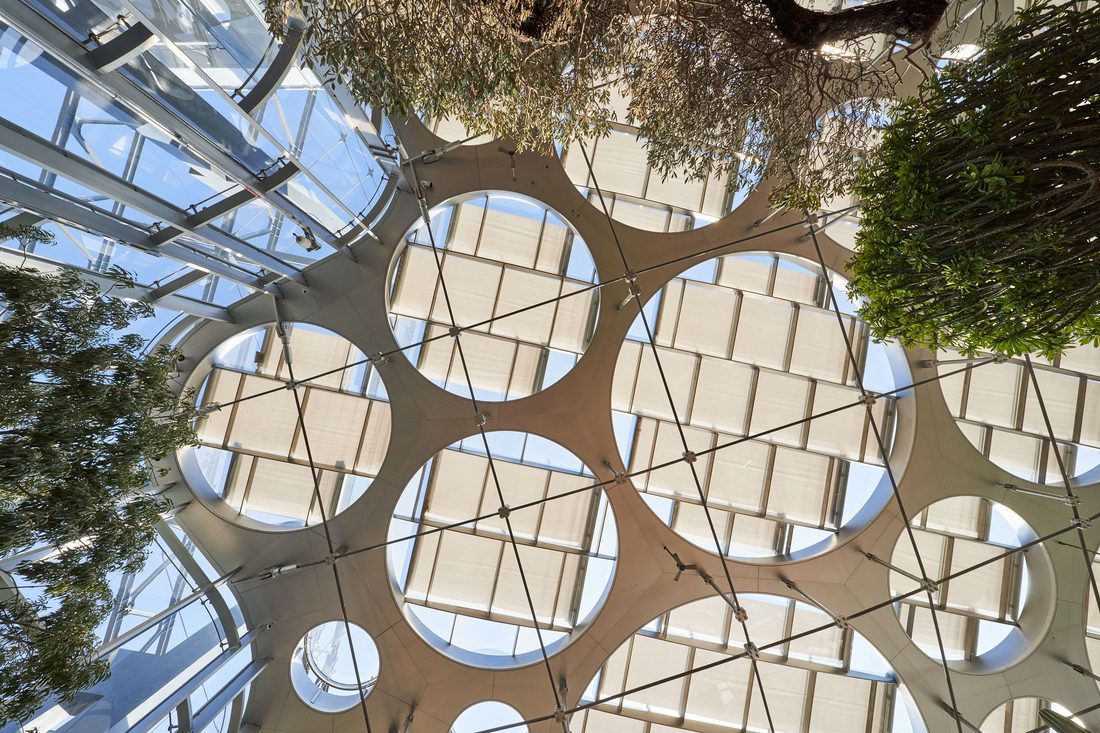
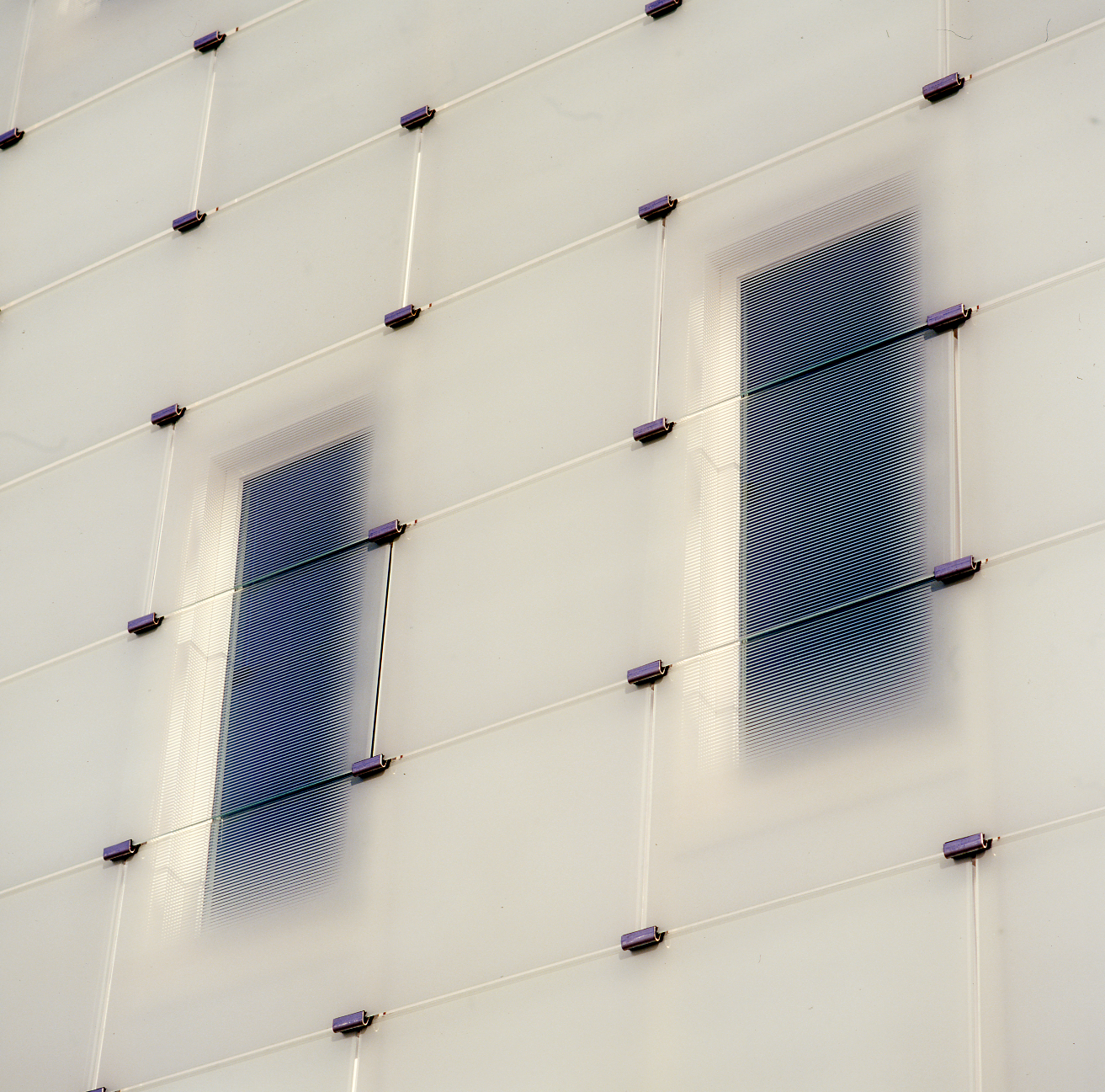
Each can then be tailored to its environment and intended function, whether for roofing, façades, solar protection or interior applications.
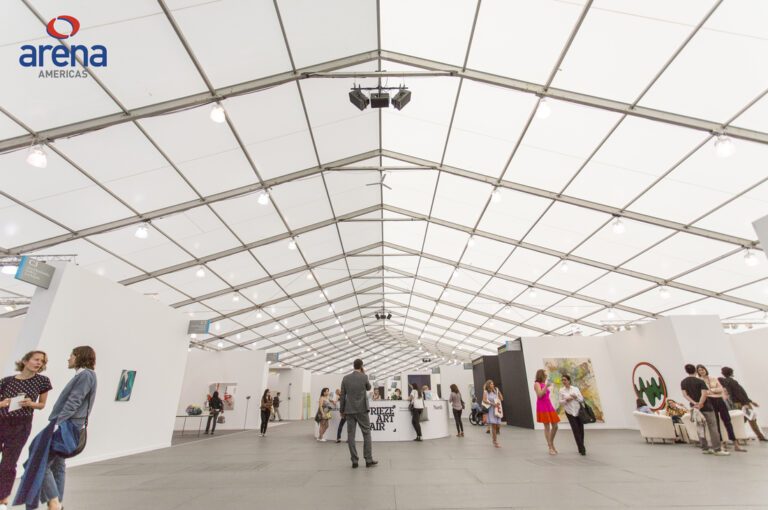
When the required performance exceeds that of a single membrane, multiple layers can be combined within the same system. This multilayer approach makes it possible to integrate complementary functions such as light management, thermal comfort, acoustic insulation and blackout performance.
Performance is therefore not the result of a single material, but of the interaction between multiple layers engineered to work together. This ability to design systems tailored to each application is what characterizes the technological approach of The Seventh Material.
How a product is actually chosen.
The choice is never made on the membrane alone. It is made on the type of building.
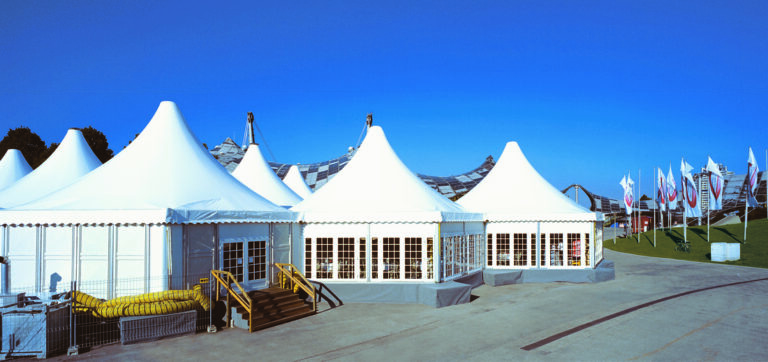
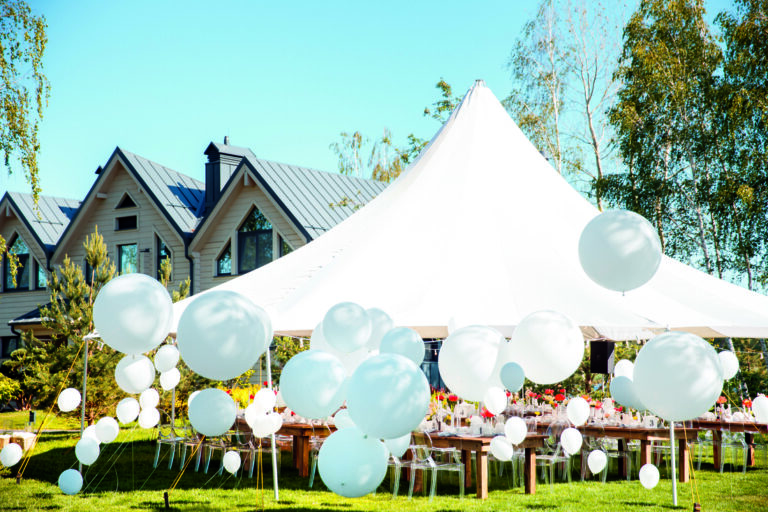
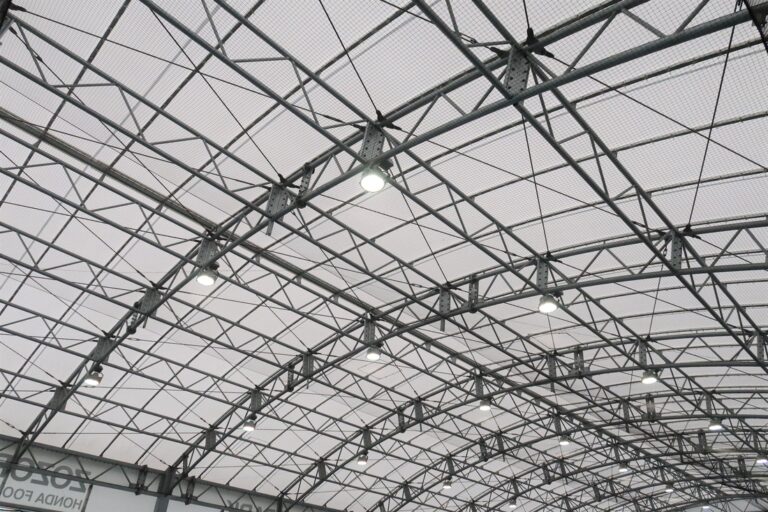
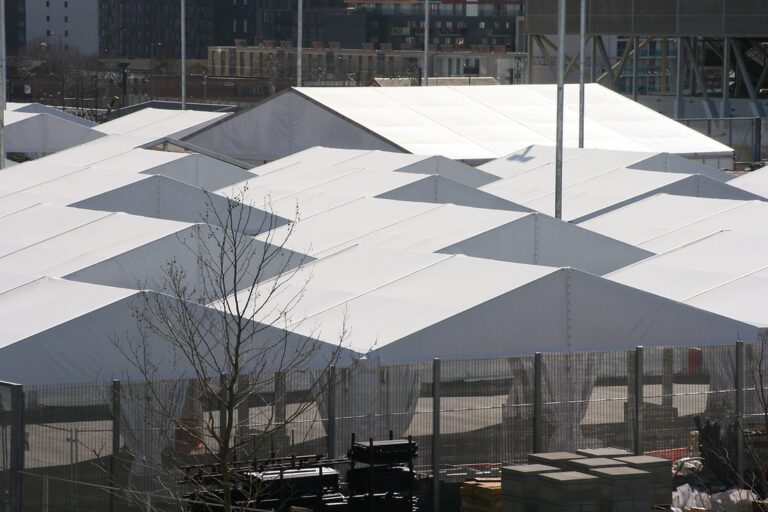
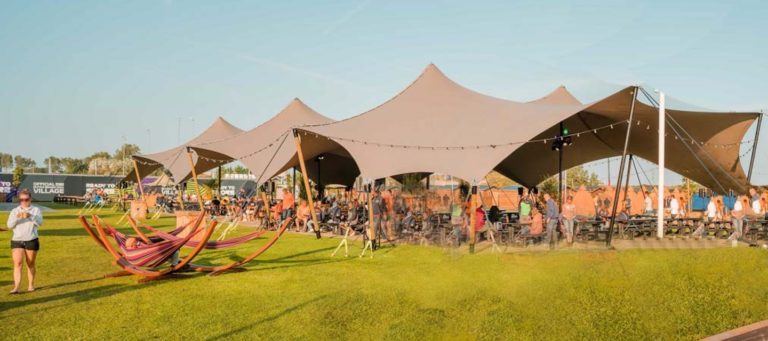
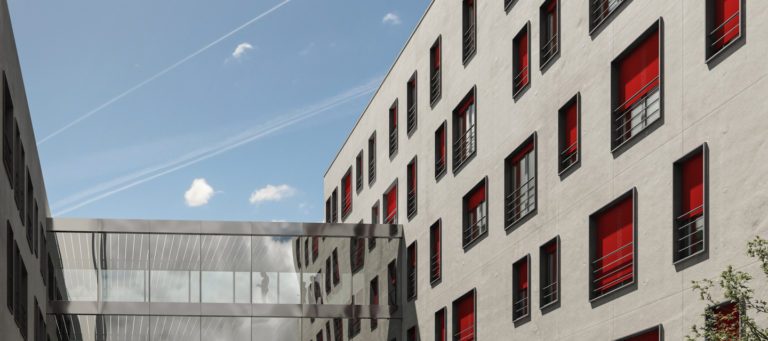
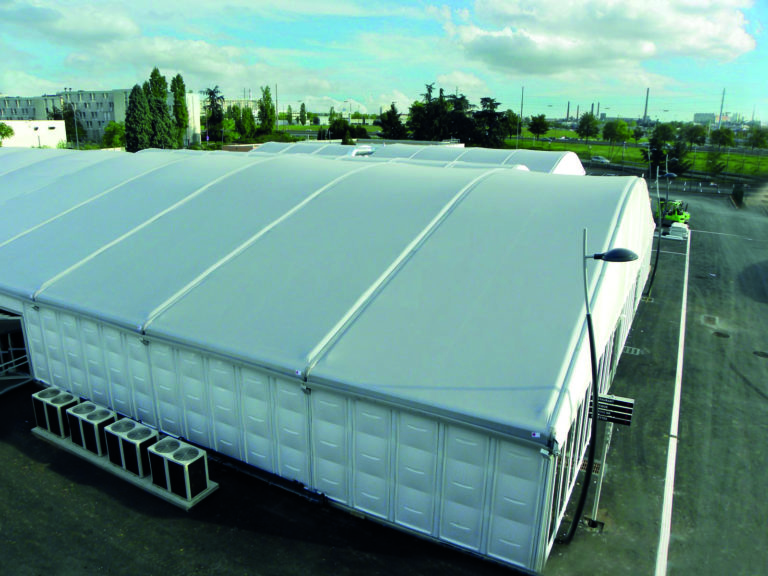
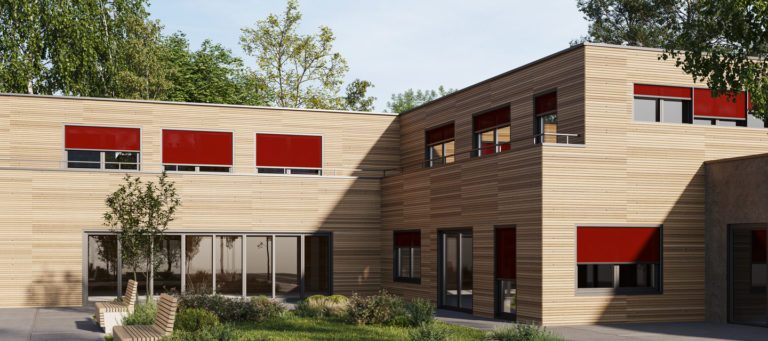
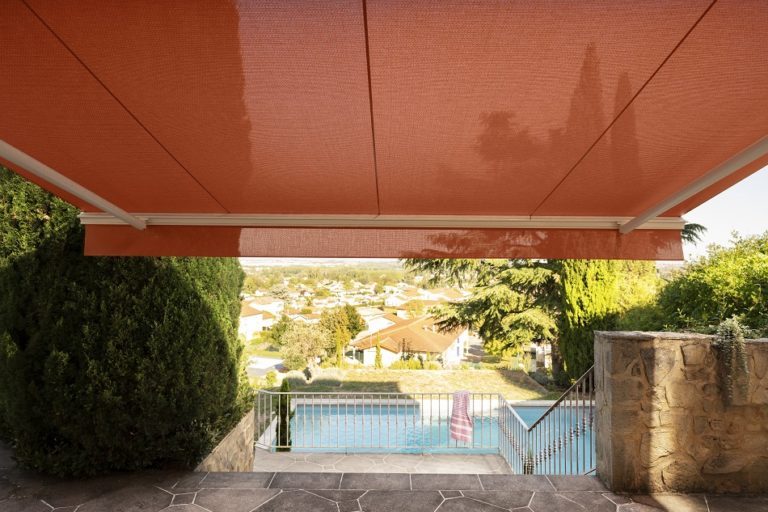
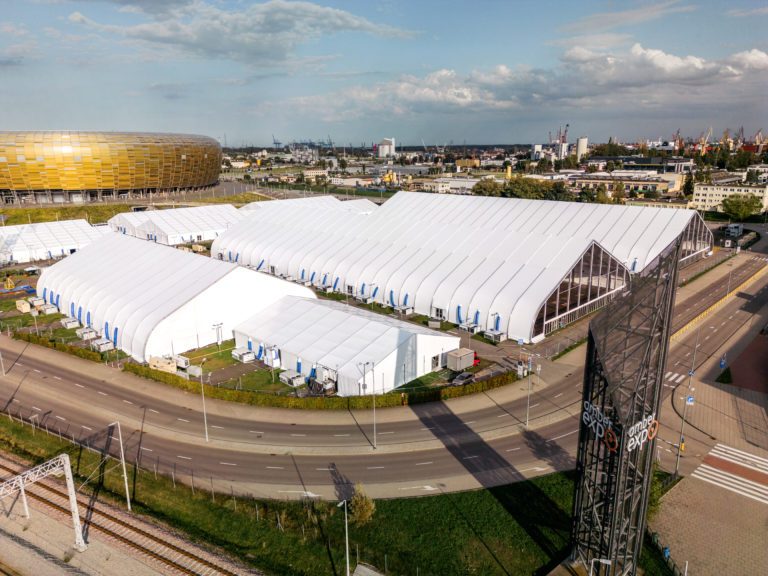
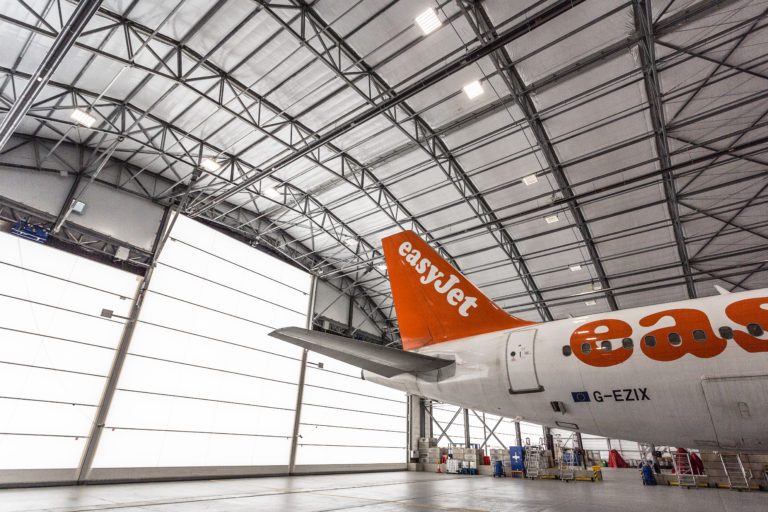
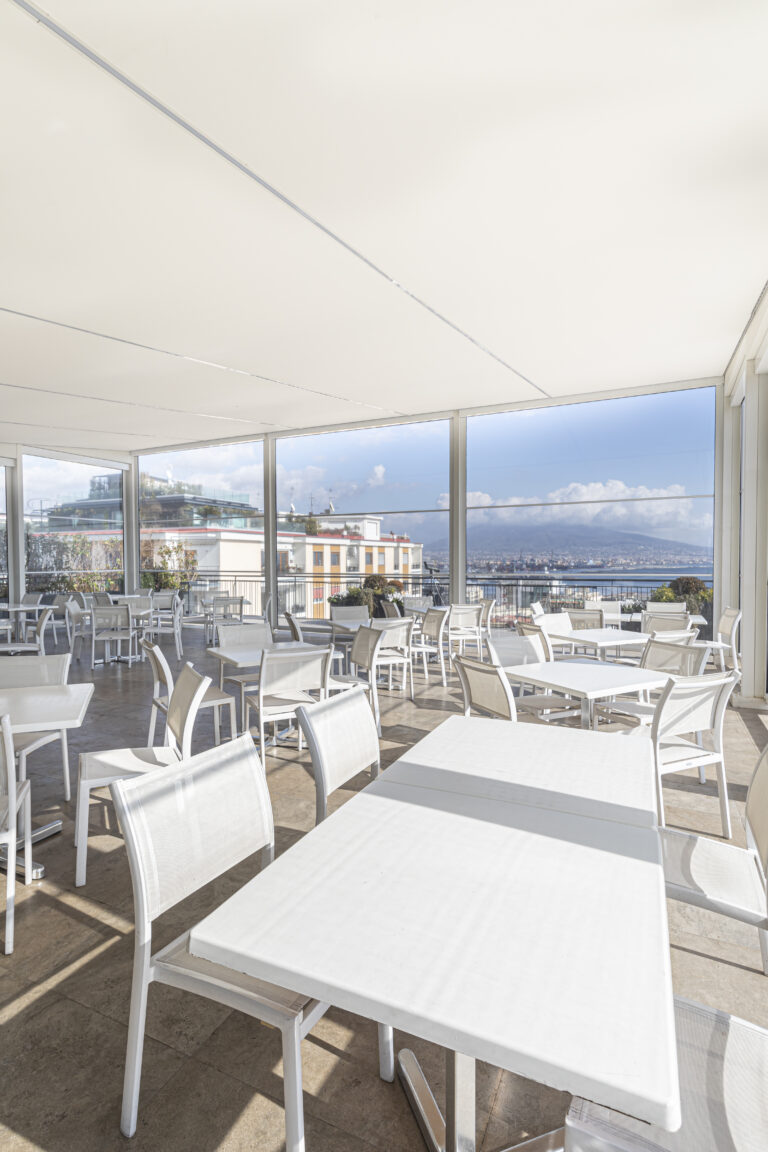
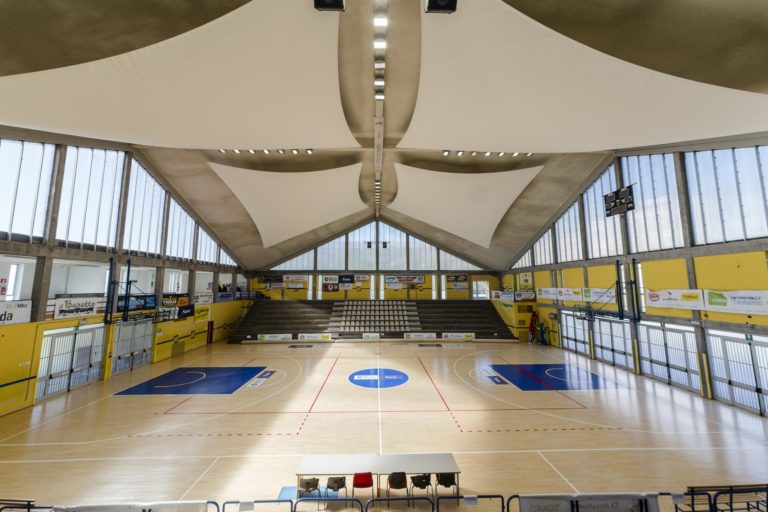
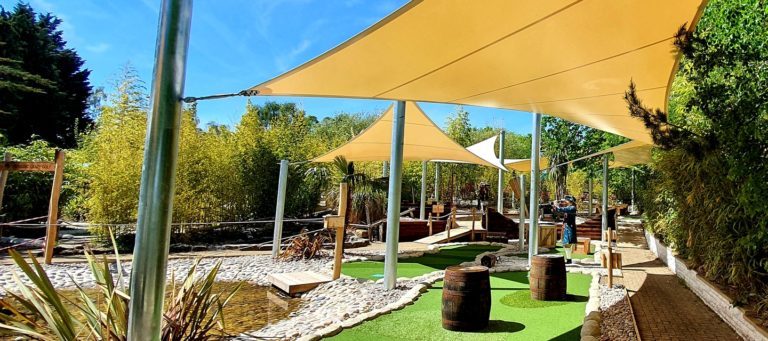
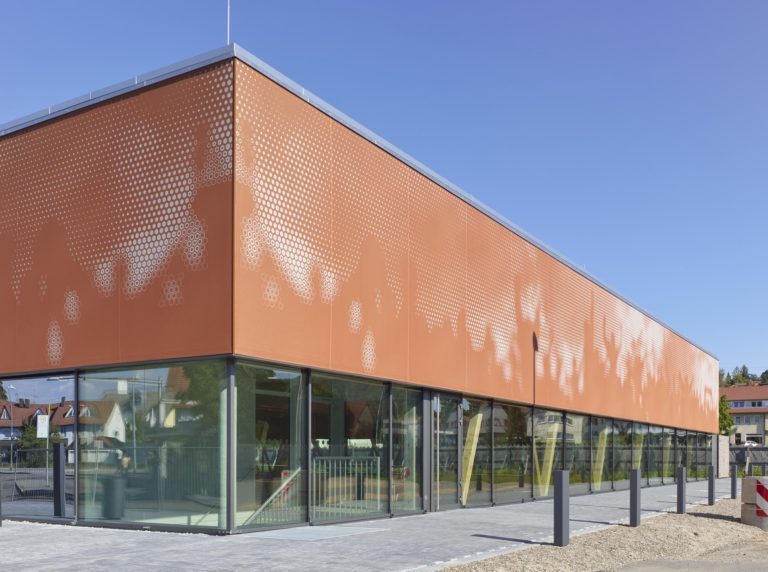
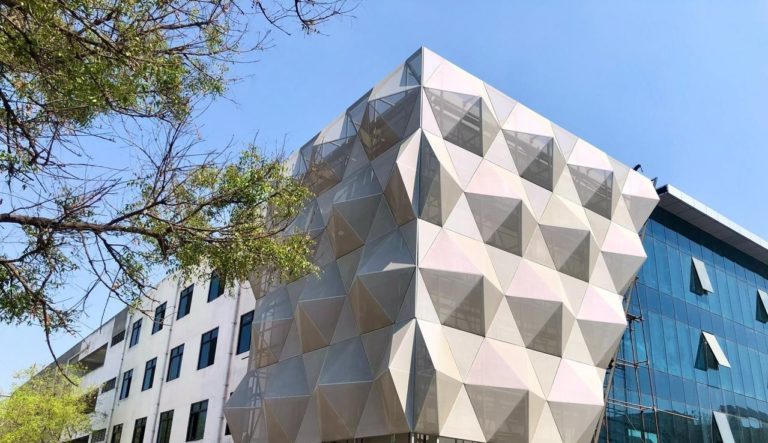
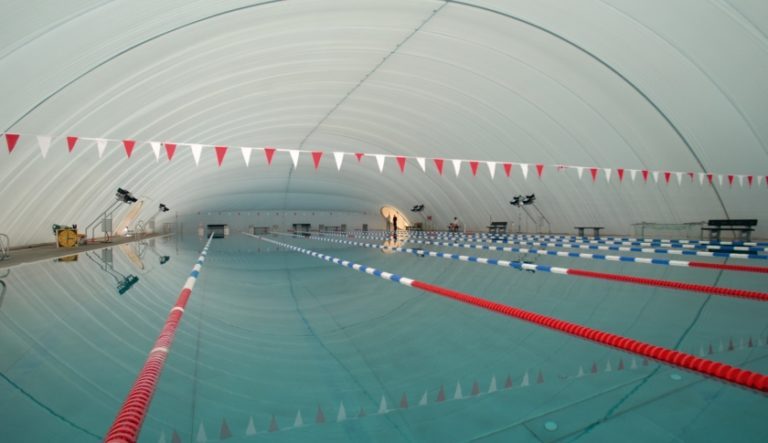
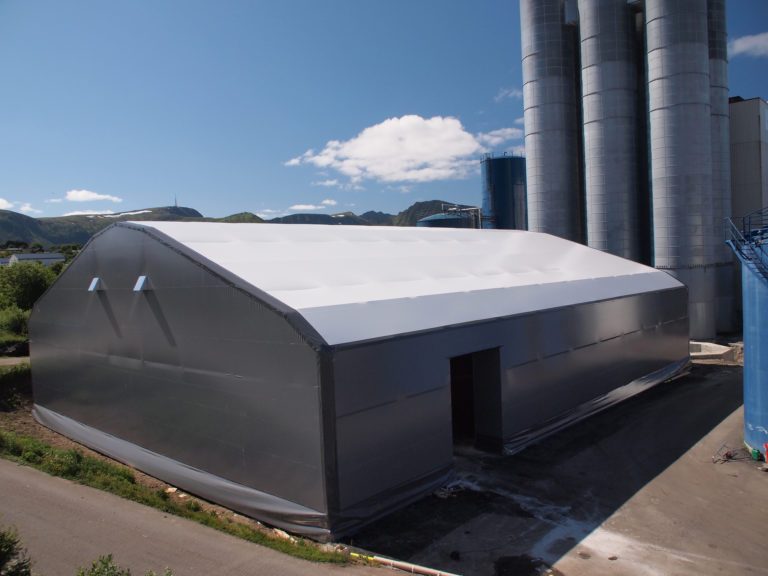
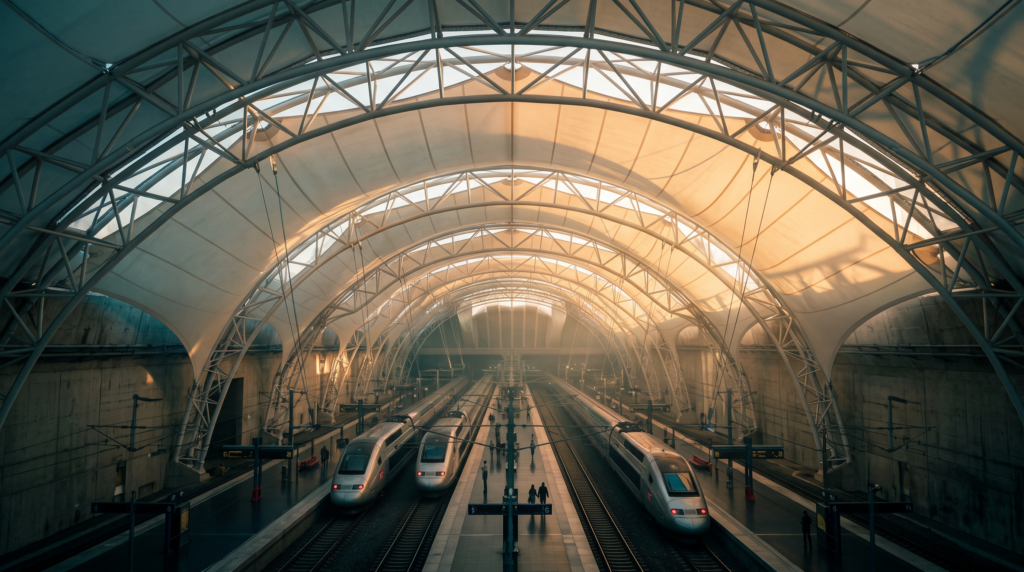
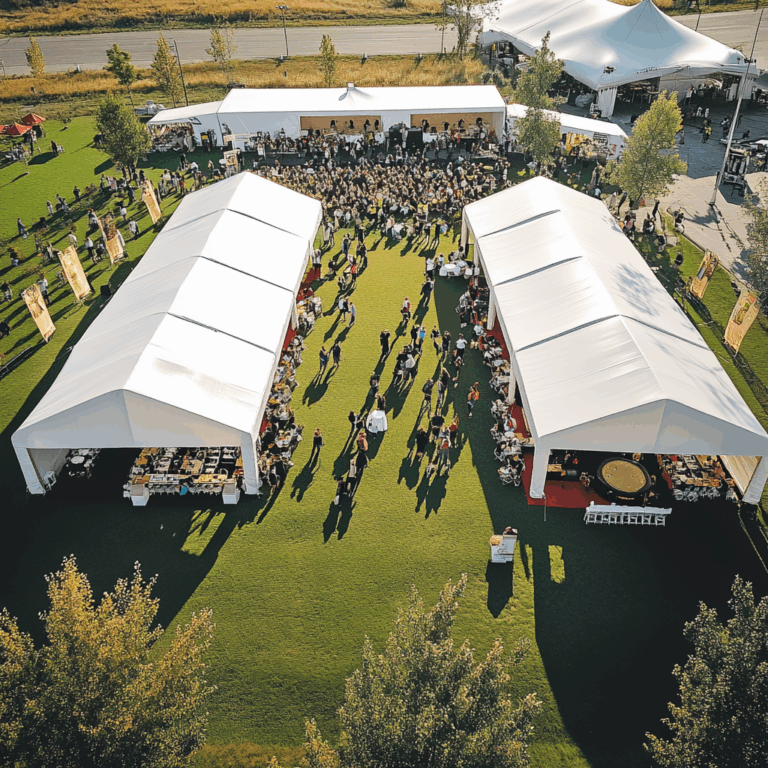
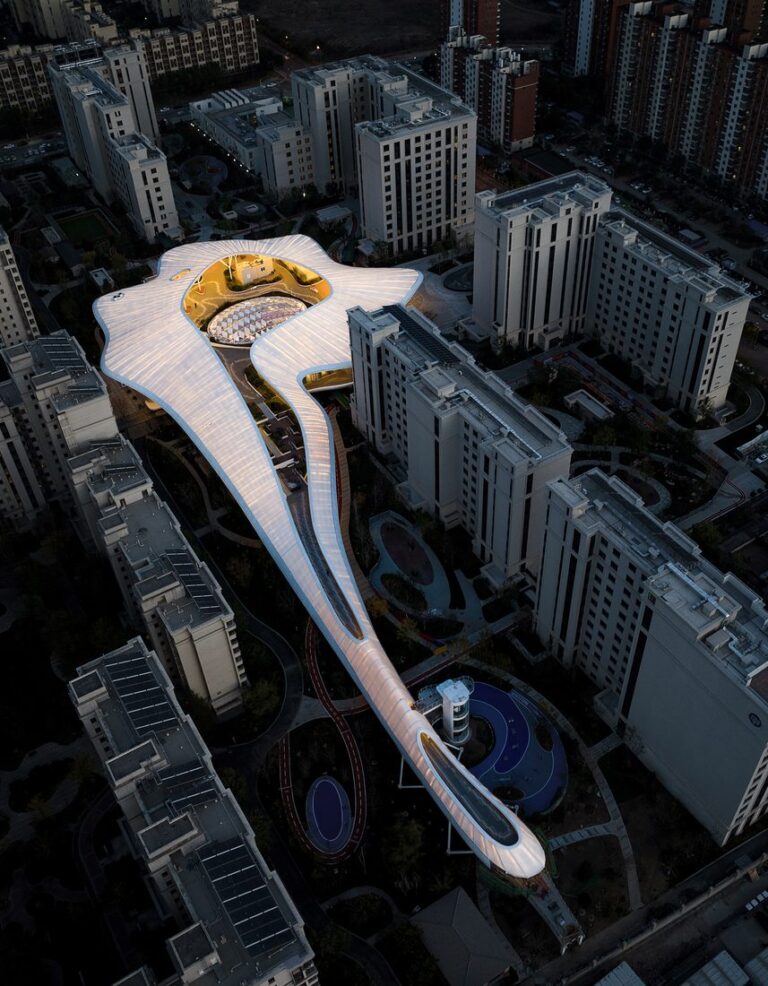
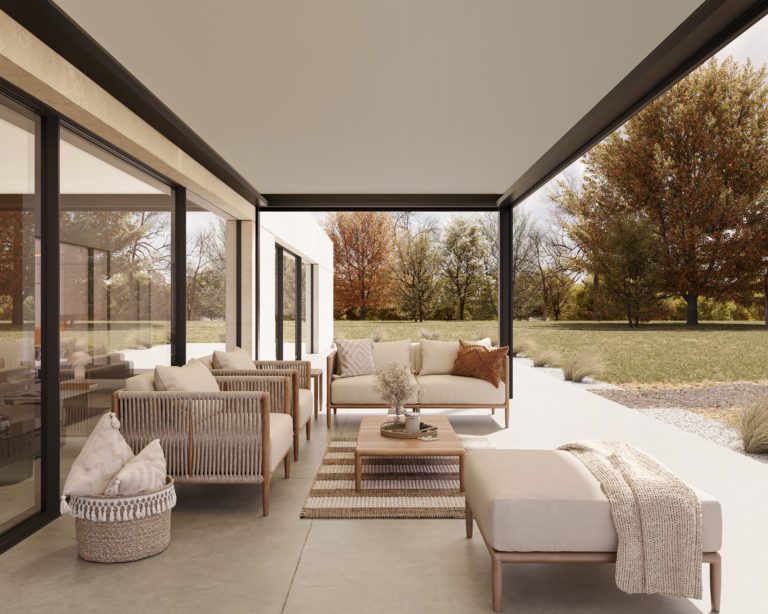
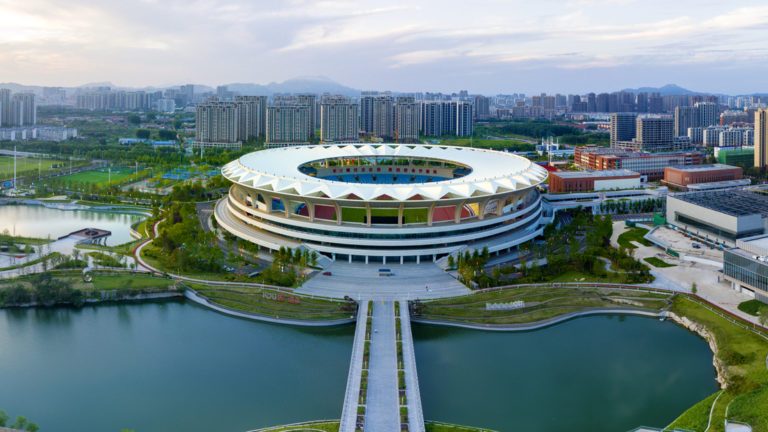
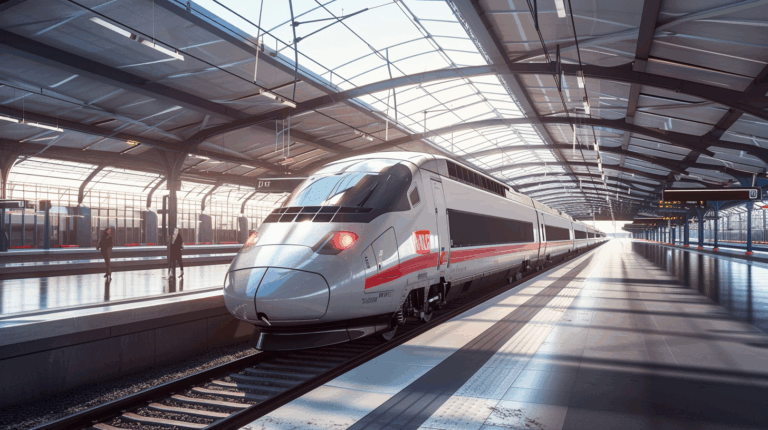
Serge Ferrari Architecture covers three of the groups four markets: tensile architecture, solar protection and modular structures.
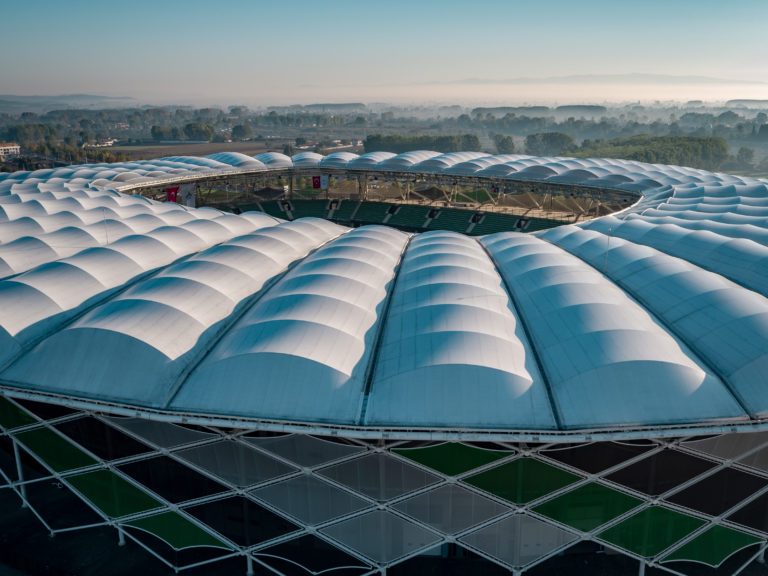
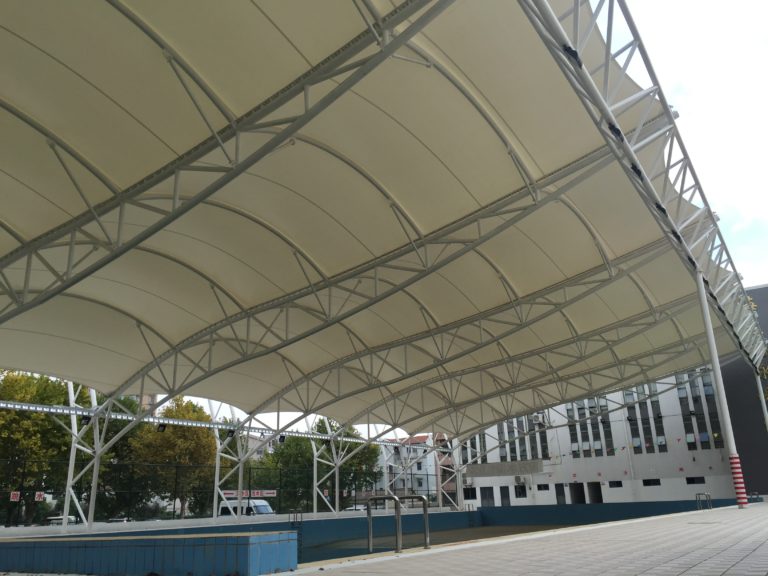
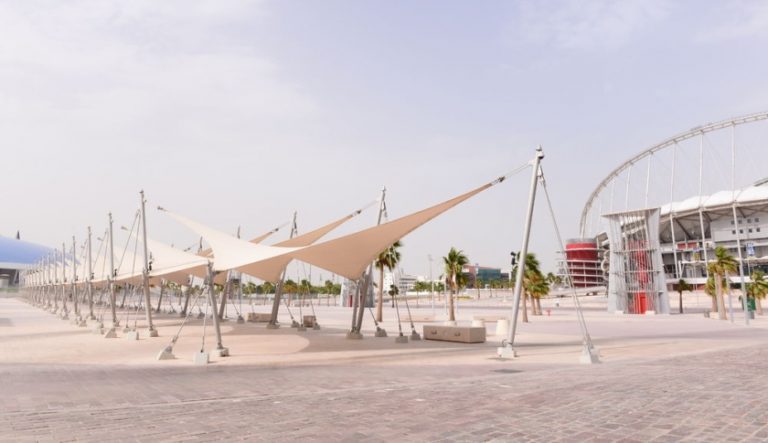
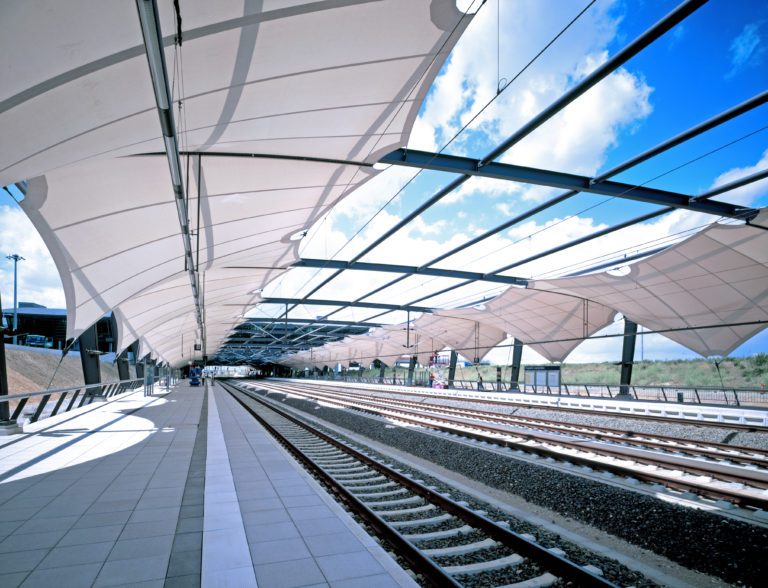
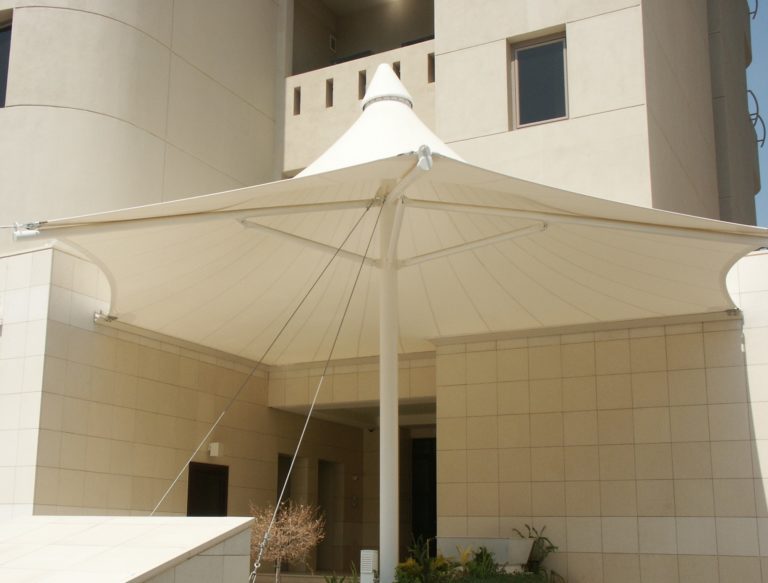
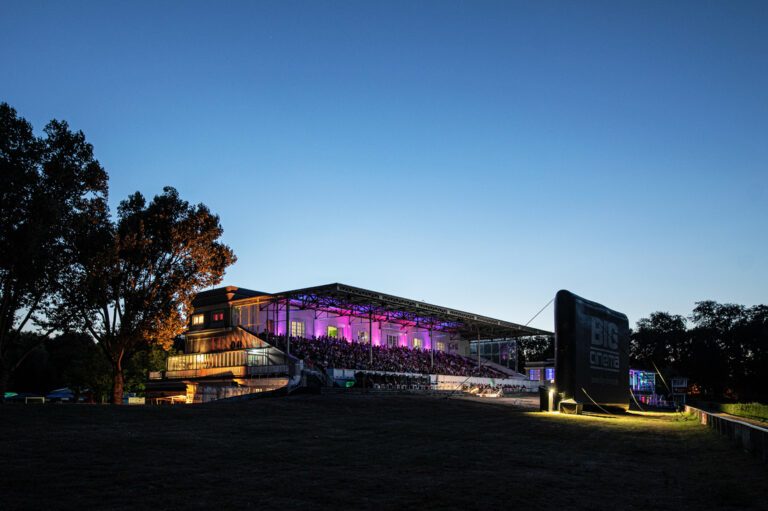
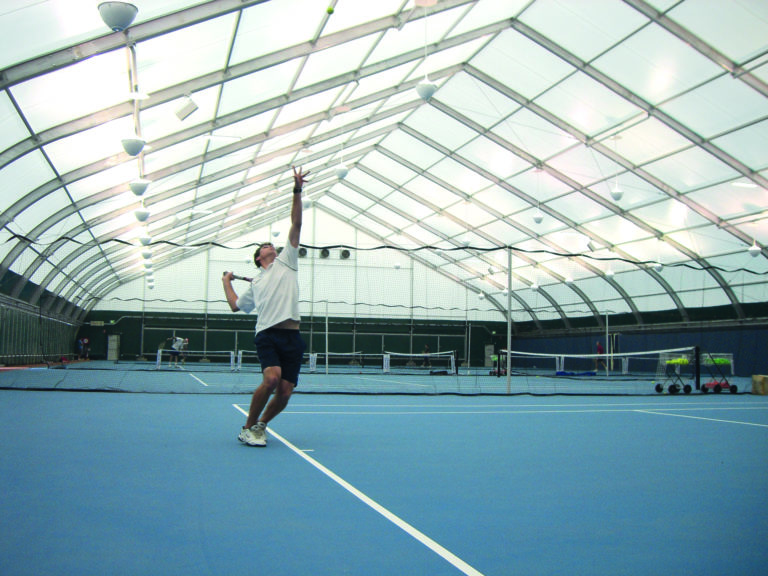
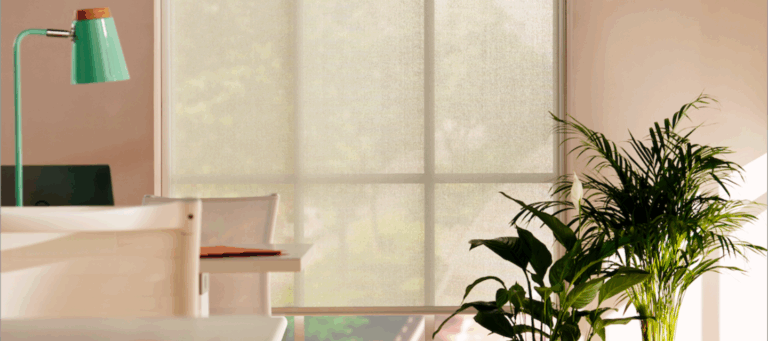
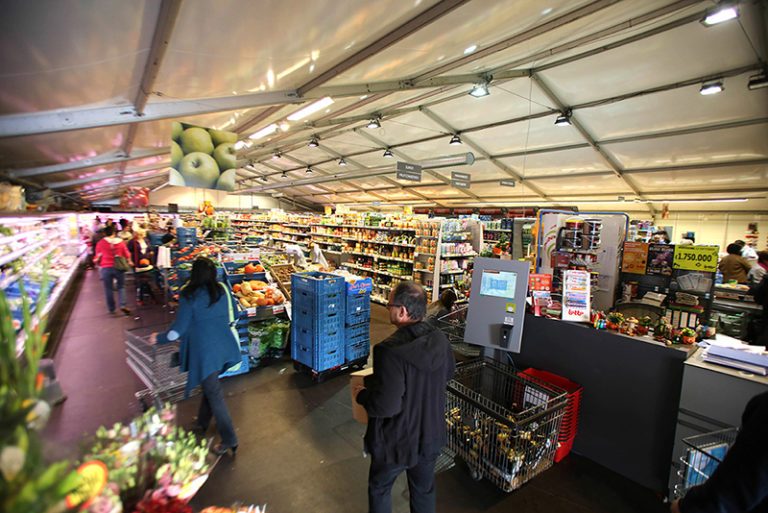
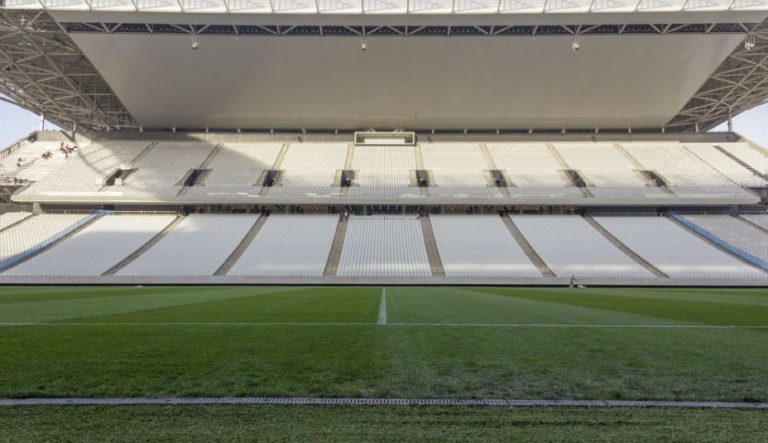
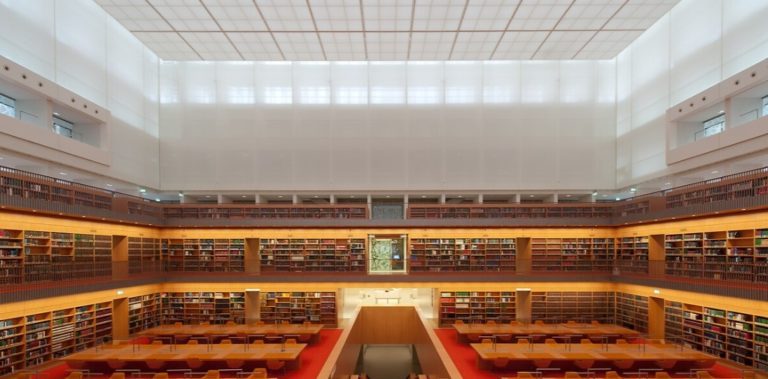
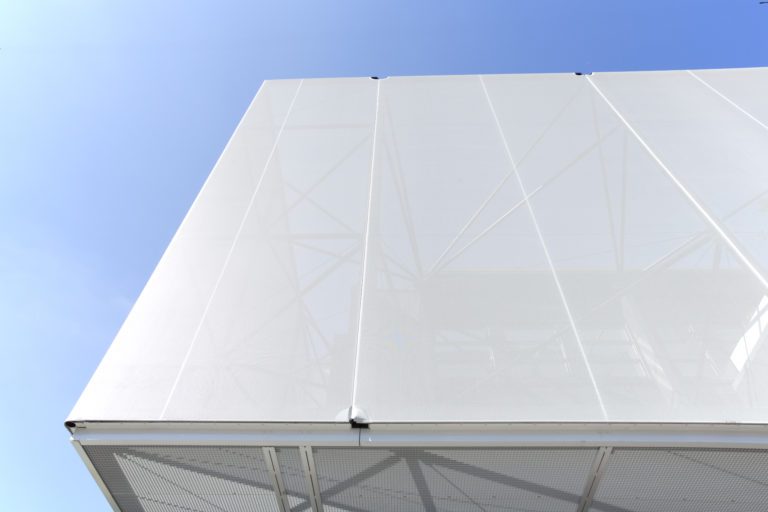
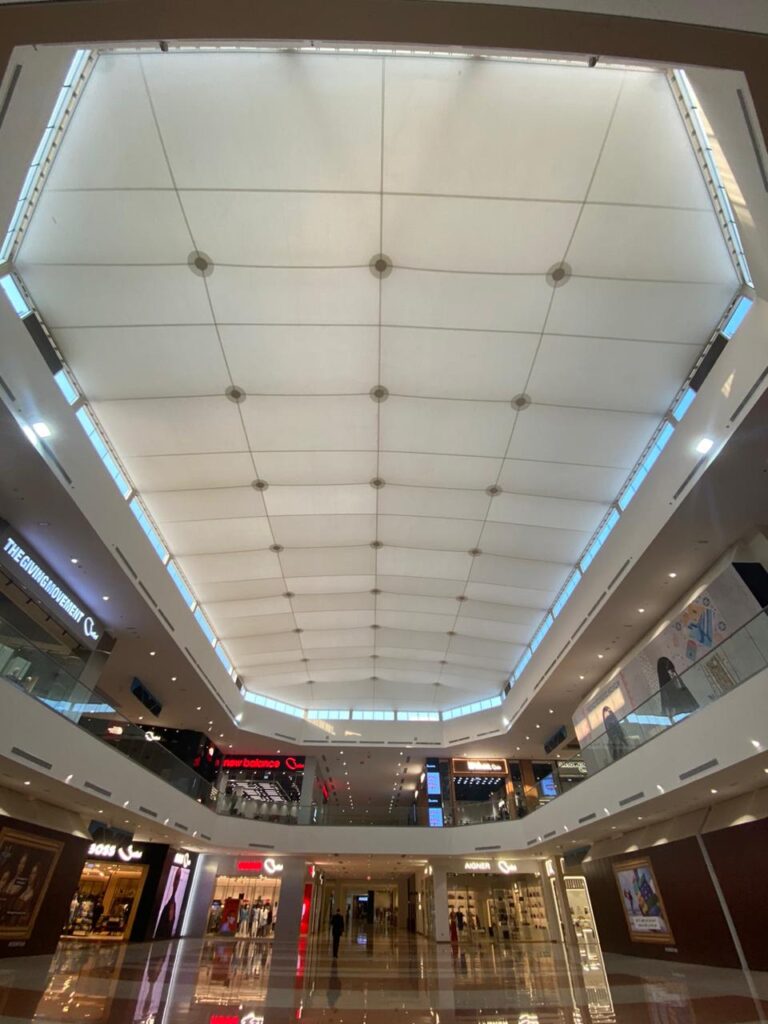
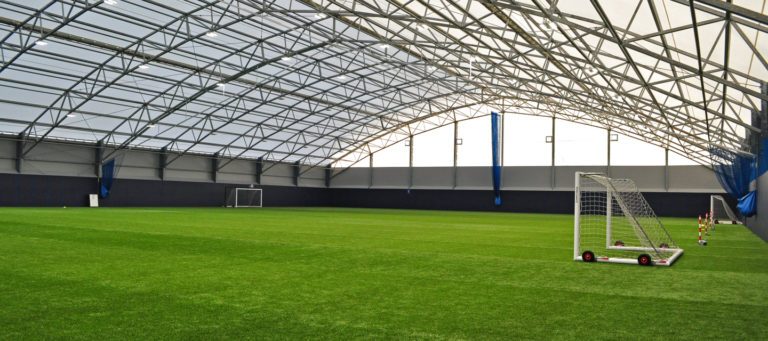
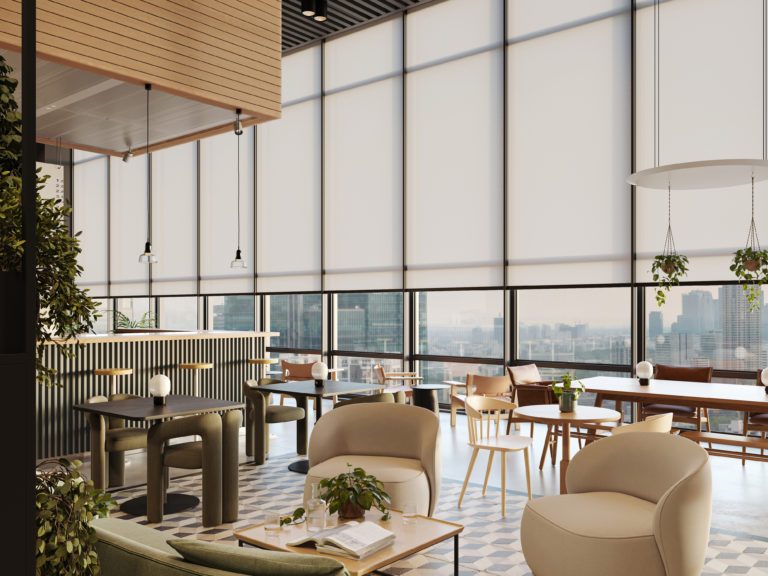
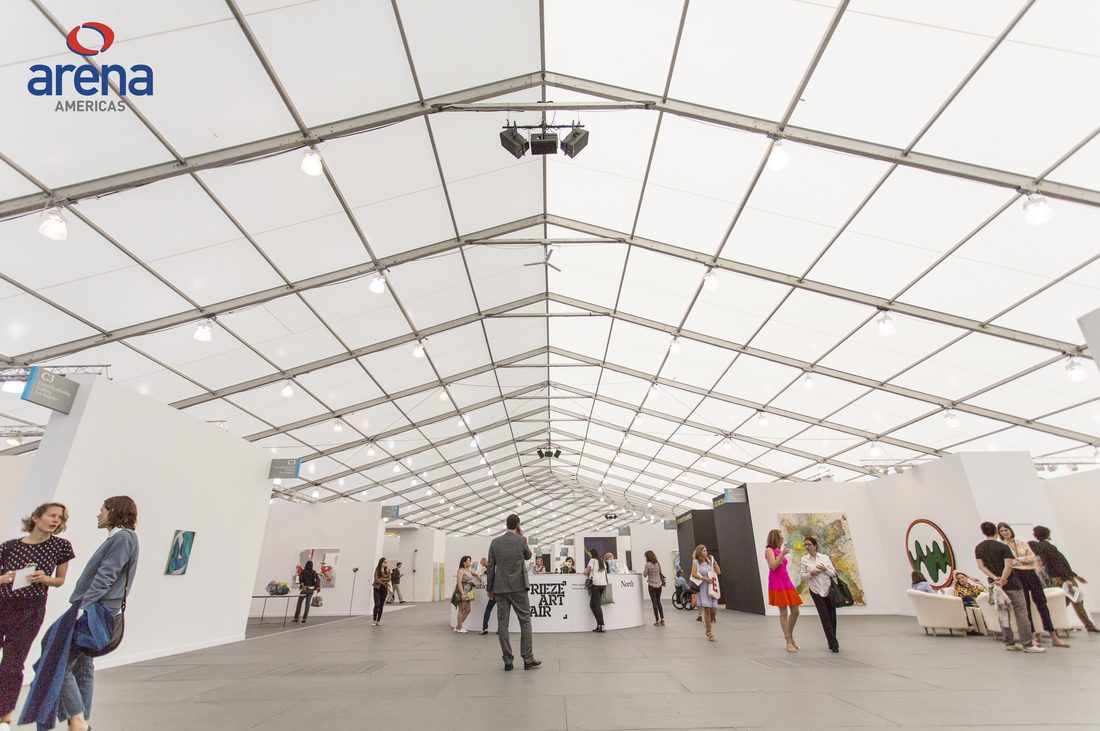
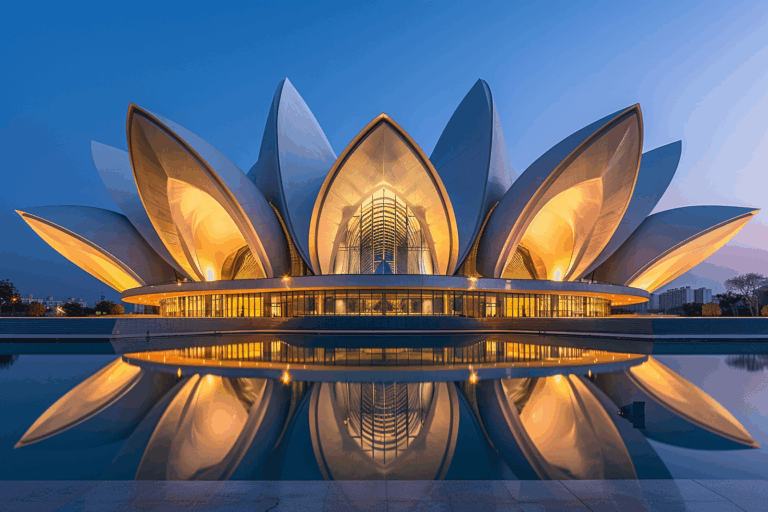
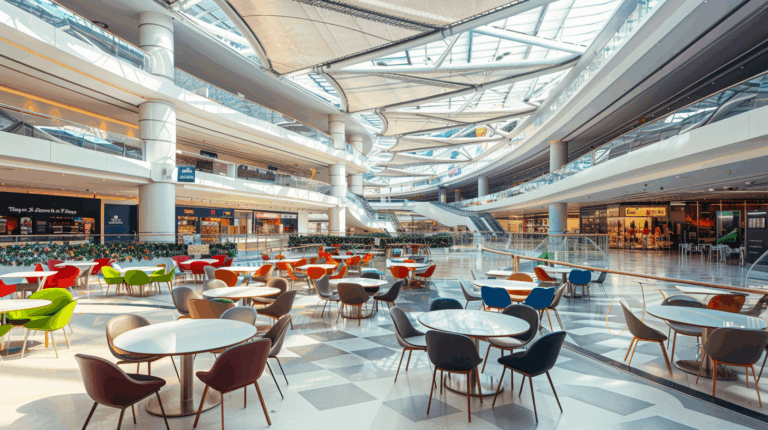
Whether covering a stadium, creating a textile façade, filtering solar radiation, or improving the acoustic comfort of an interior space, each application relies on a specific combination of performance requirements. The choice of material is therefore driven by the intended use and the performance characteristics expected from it.


From concept to completion.
A membrane is designed with the building, not specified after it.
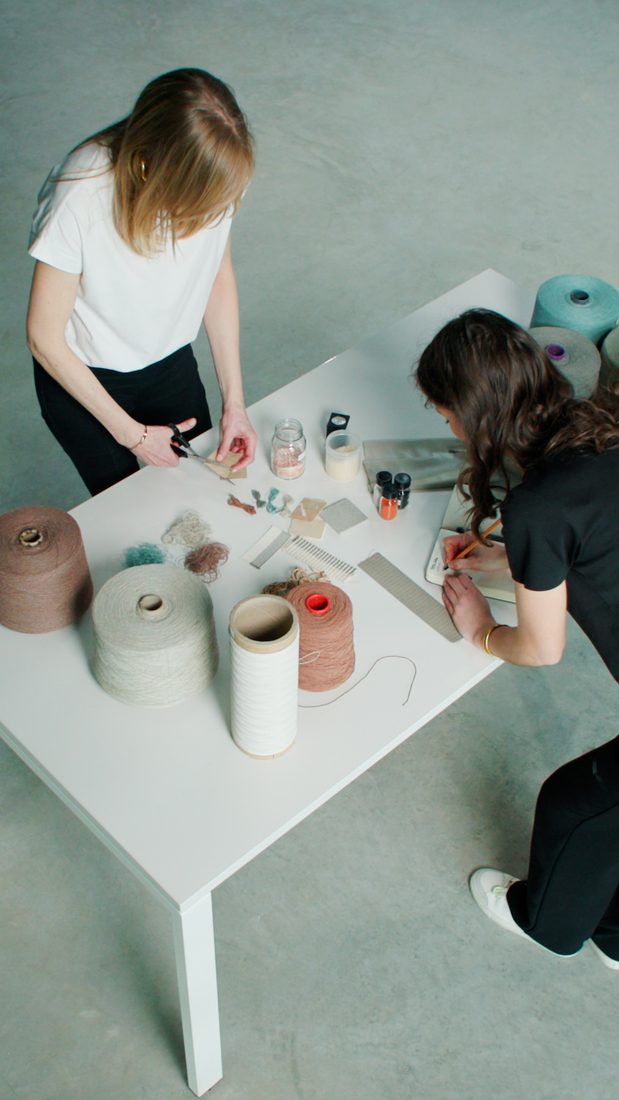
Specialized specification teams are involved from the earliest stages of a project, helping to address technical, climatic, and usage-related requirements through the very geometry of the structure. Supported by an R&D department and a network of specialized partners, they are able to advise architects on the most suitable solutions for each project and every specific application.